• Skip to main content
Bridgeway

Academy and Therapy Center

  • Who We Are
    • Organizational Leadership
    • Bridgeway Value Awards
    • Testimonials
    • Community Partnerships
    • FAQs
    • Contact Us
    • News
  • Events
    • Bridgeway Golf Scramble
    • AmazeAbility: 20 Years of Possibility!
  • Make a Difference
    • Scholarship Granting Organization
    • Donate to Bridgeway
    • Planned Giving
    • Amazon Wishlists
    • Champions, Heroes and Superheroes
    • Bridge Builder Awards
    • Volunteer Opportunities
  • For Parents
    • Prospective Parents
    • Attendance Form
    • Wait List
    • Enrollment Application
    • Autism Scholarship & Other Funding Opportunities
    • Current Parents/PTA
    • Resources
    • Calendar
  • Blog
  • We’re Hiring
  • Bridgeway Academy
    • Preschool Program
    • Peer Model Program
    • Elementary
    • Academic Program
    • Applied Program
    • Life and Vocational Skills
    • B.R.I.D.G.E. To Adulthood
    • Summer Program
    • Before/After Care
  • Bridgeway Therapy Center
    • AAC Evaluation Center
    • Family Partnership & Crisis Stabilization
    • Clinical ABA
    • Music Therapy
    • Occupational Therapy
    • Physical Therapy
    • Mental Health & Psychology
    • Speech Therapy
  • Donate

Uncategorized

Jun 01 2021

Better Speech and Hearing Month – 2021

Compiled by Emily Schrader, M.A., CCC-SLP
 

As the month of May comes to a close, the speech and language therapy team at Bridgeway Academy wanted to share some informative, fun, and possibly surprising insights regarding National Better Hearing and Speech Month (BHSM). Check out this engaging interview with the “speechies” here at Bridgeway as they reflect on BHSM, their profession, their work with our students, and their advice/ideas for continued communication growth across school, work, home, and beyond!
 
  1. It is Better Hearing and Speech Month! What does Better Hearing and Speech Month mean to you as a speech-language pathologist (SLP)?

“BHSM is a time to shine a light on our profession and share a piece of our career with others.  It is a time to educate and celebrate all of the experiences, expertise, ideas and growth in the fields of Speech-Language Pathology and Audiology.” 

“BHSM is a time to celebrate what makes us human – connection and communication. To consider and learn about all aspects of communication encompassing hearing, speech and language, as well as the roles of specialists like SLPs and Audiologists in ensuring ease and access to communication as their professional specialty.”

  1. Why do you enjoy being an SLP? 

“There is nothing better than seeing a young person learn new communication skills! Whether it’s making a request, commenting on a situation, sharing a concern, or advocating for him- or herself, I love seeing my students take these steps in improving communication and connecting with the world.”

“One of the things I love about being an SLP is that the field of speech and language pathology is always changing! The versatility and fluid world of our profession keeps every single day interesting. We also have the ability to work in a variety of settings such as schools, clinics, hospitals and nursing homes. The feeling you get when you see a student who, sometimes, has never been able to have their thoughts, feelings, or ideas understood by others is indescribable. Having the privilege to share even a small piece of that experience is what makes our job amazing.” 

“I love being an SLP because I truly believe communication is a human right and I get to support that and advocate for that on a daily basis. Everyday is different and fun, and I’ve learned so much from my clients and their families.” 

  1. What are some of the domains in which SLPs specialize? 

“We can work with any age group (birth-end of life)! Prior to becoming SLPs, we receive extensive education on anatomy and physiology as it pertains to speech, language, and cognition. Also, I don’t feel like a lot of people know that SLPA (Speech-Language Pathology Assistant) is a profession.”

“There are 9 domains that a speech-language pathologist is technically licensed to treat, with a comprehensive education provided to us in graduate school (and sometimes beyond!). We work to improve the communication skills of clients and students, which relies on extensive anatomy, physiology, neurology, and cognitive process awareness for humans across the lifespan. Some surprising domains our work covers include executive functioning skills, early feeding skills for children with cleft lip and palate, swallowing dysfunction, head and neck cancer, 

“Our profession is so versatile. I could work in a hospital helping individuals learn to swallow and/or talk again following a stroke. I could work in a nursing home and help individuals with cognitive impairment or dementia create a memory book to remember family members and staff. Or I could work at the most wonderful nonprofit helping students with autism and other developmental disabilities learn life skills and job skills.”

“Speech-language pathologists do more than just help with articulation errors! Some of my favorite areas where I engage with my students include social communication, literacy skills, and workplace interactions.”

  1. What are some other experiences, settings, and/or skills you’ve gained as an SLP outside of Bridgeway?

“After working with otolaryngology and pulmonology teams in hospital and outpatient clinical settings, I have learned to use a flexible endoscope and a rigid endoscope to administer vocal fold and swallowing function diagnostic tests. These devices are basically long, tubed medical instruments that are used in hospitals and ENT clinics to take videos and photos of your vocal folds and the structures in your throat, which obviously need to function properly for efficient verbal communication as well as nutritional intake. I worked with ENTs, respiratory therapists, and other speech-language pathologists specializing in voice and swallowing (AKA ‘voice/swallowing pathologists’) on multi-disciplinary teams to diagnose and treat voice and swallowing disorders.”

“During graduate school, I went to Mexico and provided speech and language therapy services to children with disabilities in both a daycare setting and in a school. I was able to learn how to implement therapy to Spanish speaking individuals, and learned about the similarities, and differences, we have in our cultures. It was humbling to realize that I was able to facilitate enriching language opportunities, even with a communication barrier – and picked up some Spanish along the way! The experience was unforgettable, and made me appreciate the services that we are able to provide for individuals.”

“I worked with patients with dementia and administered cognitive assessment to make recommendations for care.  For those early in the disease process, I made recommendations with the rest of the team for the safest, least restrictive environment for them to live.  For those late in the disease process, we worked on finding ways for them to be able to reminisce and remember meaningful events and people from their lives, reduce agitation/distress, and trained staff in ways to engage with the patients to promote as much independence as possible.”

“I worked in a large public school setting as a graduate student to support the AAC & Assistive Technology Consultant for the district. I worked with students who had communication needs ranging from using their eye gaze to access a communication device, using a joystick to access and navigate their academic lessons through a Chromebook, ASL users, 3-D object communicators, and to support children who were ESL learners. I have also worked in a long-term nursing home setting which involves working with adults on their cognition and memory strategies, while also assessing their swallowing skills to modify their diet based on their swallow muscle strength and coordination.”

“In graduate school I focused my learning on speech and language skills related to hearing loss. I’ve had great experiences conducting hearing screenings, both while in graduate school and in my career, as well as working alongside amazing Audiologists in an Auditory Processing Disorder Clinic. I’ve also collaborated with a Researcher at Ohio State University. Working with Dr. Bean’s lab has been rewarding as well as eye opening to the bridge needed between the clinical and research settings.”

  1. What’s your go-to therapy activity, toy, item, or book?

“Whatever grabs my student’s interest! I love following my student’s lead and seeing what he or she is motivated to talk about.”

“I love drawing and creating art with students, I think this allows them to pull a lesson into their own realm of expression and understanding.”

“I love Boom cards, but I have found that incorporating crafts/coloring is a fun motivator and keeps the kids engaged. Also, BUBBLES are always a huge hit :)”

“I love to do anything related to science experiments or sensory experiences.  These hands-on activities are so engaging and motivating for everyone!  Engaging multiple sensory systems AND having fun are evidence-based learning strategies.  Some of my favorites have been ‘rubber eggs’, ‘sink or float’, ‘fizzy volcanoes’ and ‘frozen dinosaur eggs’.”

“Plastic eggs! it’s amazing how excited students get to open things and see what’s inside!”

  1. What are some go-to resources for good information that parents/teachers can refer to and easily access?

“ASHA, our national organization, has so many powerful resources for our students. I also recommend my teen and adult clients connect with their county service coordinator and with Opportunities for Ohioans with Disabilities for support as they reach transition age. The Autism Self-Advocacy Network also has many resources for autistic adults.

“Our governing body (American Speech-Language Hearing Association) has a wealth of different information on the website (asha.org).”

“The ASHA website (whom we are licensed by) has a great breakdown regarding specific evidence-based tips for parents regarding building on their children’s communication skills at home. Though it is broken down by age, look through all ages listed. Your child may be demonstrating skills in certain areas at a given age, but demonstrating different skills at a different age entirely. This is okay! Read and notice what skills your child might have already, and do your best to build from there! https://www.asha.org/public/speech/development/suggestions/.” 

  1. What are your favorite strategies to support language growth that you could suggest for parents to use at home?

“Practice and MODELING!  Be a language model for your child as often as possible in whatever modality they are using to communicate. If your child uses an AAC device, model on the device while also talking to them. If your child uses signs or picture symbols, model that while talking to them. If your child is a verbal communicator, keep modeling language a step above their current skills to expand their language.”

“Modeling the use of communication in fun and engaging ways that are meaningful to kids. For example, modeling language during play with favorite toys or interjections during shared movie watching. Kids love when you engage their interests and enter their world and I think it’s an opportunity for us to join them in a meaningful way that supports communication.”

“Model language WITHOUT expectation (as in, model it throughout your day and let your child/student). Be silly with your child/student, find out what they love, and show some love and care for it too. Try to model language from the child/student’s perspective when possible. And most importantly – allow them time to process!” 

  1. What has changed about your role as an SLP following the pandemic? How has communication changed?

“Limitations: Since the pandemic, I’ve noticed more difficulties prompting, modeling and practicing verbal/articulation skills as well as auditory processing skills.  Speech behind masks can often become muffled, quiet or simply hard to understand without the visual cue of our mouths.  Practicing articulation skills requires clear shields and/or face masks with clear inserts so that students and clients can see the production of specific sounds.  Many of our students used to receive intervention using techniques from the PROMPT method which requires physical touch on the face and around the mouth, but since the pandemic this type of intervention has been severely limited or placed on hold.

“Benefits: Since the pandemic, I feel that communication among professionals and with families has increased.  We are all becoming more familiar and comfortable with technology, making it easier to communicate from any setting.  The use of video chats, online continuing education and virtual meetings have been a positive outcome in my role as an SLP.”

“There have been many changes this past year due to the pandemic, and the role we play is one of them! I’ve been able to learn how to provide therapy in a virtual setting, which has been an interesting experience to say the least! It has allowed our role to be even more versatile, and given us a rare, and unique opportunity to see what a students life and experiences are like in their home environment. The ability to see them in a different setting and environment has ensured, more than ever, that our goals, and activities are the most functional for these students, and we were able to adapt our goals and also assess carryover of their goals and progress across environments. One of my favorite changes is that we were able to communicate more with the caregivers and/or parents, and they were able to see how we address and target goals, and they were able to model these techniques with their children outside of therapy sessions.”

  1. So many children, clients, and students use alternative and varied forms of communication to interact with us. What is “AAC,” and what are all the alternative methods of communication that can support functional communication?

“AAC stands for Augmentative and Alternative Communication. This is a very broad term that encompasses a large range of communication supports and systems that an individual can use. AAC can be: 

‘low-tech’ :  These communication systems do not have any auditory output or electronic component to it. Some examples include picture icons, a choice board, tactile object board, PECS (picture exchange communication system), or a PODD (pragmatic organization dynamic display) communication book to support functional communication across settings. 

‘mid-tech’: These communication systems or devices have electronic and voice output capability, but are typically battery operated with simpler functions. They do not have the dynamic, electronic screen of a high-tech device. Some examples of “mid-tech” AAC include a single button with a word or phrase programmed on it (Big Mac, Talking Brix) or a single overlay/communication board that pairs with auditory output (Quick Talker, GoTalk device). 

‘high-tech’ AAC: This category includes speech generating devices (SGD) or tablet based devices that have a dynamic, electronic screen with a voice output. These can be accessed by directly touching the screen with finger/hand, using eye gaze, head pointing, or a switch button(s) to navigate the communication system. There are a variety of high-tech devices that people can use including different sizes, language systems and access methods.”

“The world of communication and AAC is always evolving and growing to facilitate social connection between others, no matter their mode of communication!”

  1. What are some creative ways your clients/students have communicated with you? Tell us any good stories! (eg., Student saying “closet” when he wants to “close it” referring to a door)

“I had a student type into his device ‘bcsong’ to tell me he wanted me to sing the ABC’s.  Same kid also was not into an activity we were doing and said ‘boredom.’ I wasn’t even mad, I was amazed!”

“I have a verbal student that told me that sometimes ‘it was lightning in [his] mind,’ which I thought was an amazing way to express the stress and anxiety that we can occasionally feel when we are in new environments, or learning new things, or processing complex concepts or emotions. I also have a student that specifically states ‘sock shoe door car’ on his device when he is ready to get going at home!”

“I had a student tell me her school was “branch way” for “Bridgeway”!” 

  1. The theme for BHSM at Bridgeway this month was increasing the use of survival signs (e.g. happy/bathroom/help/yes/no) as communication for our students. Have you had the opportunity to incorporate signing into your work with students at Bridgeway? If so, can you share any good experiences or memories?

“I have been using it with some students! I love the idea that these students will have an understanding of some basic signs they can use with classmates, especially peers who use ASL as a means of communication. I haven’t seen any in use yet! They seem to prefer using signs they have learned from their peers rather than ones I have taught.”

“I always try to incorporate signs into my work with students. I’m constantly learning new signs when I’m integrating into the classroom, and I try to use them as often as I can (paired with verbal speech!).”

“Use of signs to increase the communicative skill sets of our students and clients has been fascinating, inspiring, exciting, and eye-opening. At Bridgeway, our department has campaigned with teachers and other professional teams to learn, model, and use survival signs from themed vocabulary sets such as basic core vocabulary signs (e.g., more, finish, yes, no), routines and transition signs (e.g. bathroom, PT, OT, speech), snack and meal time signs (e.g. eat, drink, lunch, open), play and leisure signs (e.g. jump, swing, run, ball), and emotion signs (e.g. happy, sad, hurt, tired). The campaign has gone really well, with lots of teams participating and using recorded videos of signs we created in collaboration with Bridgeway colleagues that know sign language, interpreters working with our students, and outside collaborators within the D/deaf community.”

“The active role one takes physically when using signs, the mental images and motions we remember when we see familiar signs, and the variability of the visual medium for expression has always been fascinating to me. Working with both hearing and D/deaf students, I see daily how this medium of expression is so beneficial for learning, concept processing, and language growth. AND – actually signing with my students with purpose and regularly in this campaign has made me a better sign user/communicator!”

“The survival signs we have been modeling and teaching throughout this campaign have served as great visual aids/cues while working on specific speech and language skill targets, and a few of my students have achieved their speech and language objectives (such as answering yes/no questions, requesting/protesting and self-advocating) as a direct result of signs implemented as cues and modeled throughout their school day.” 

A very happy Better Hearing and Speech Month to everyone! Here’s to inspiring the communicative potential and celebrating the communicative skills of our students, clients, and children each and every month as well!
Written by alex · Categorized: Uncategorized

May 10 2021

OT Month Wrap-Up

By Jordyn Perry, MOT, OTR/L

April was Occupational Therapy Month! But, what exactly is Occupational Therapy – or OT? 

Our team of 13 Occupational Therapists are an integral part of our students’ and clients’ lives.

Occupational Therapy involves much more than just handwriting and sensory needs. It is defined by the “occupations” that make our lives meaningful. Occupations include: activities of daily living skills, instrumental activities of daily living skills, work, education, sleep, play, leisure, and social participation. 

Many of our students struggle with activities of daily living skills (ADLs). This includes things like dressing, bathing, toileting, grooming, eating, etc. Occupational Therapy can help address these skills through remediation, providing compensatory strategies, or adaptive equipment to promote independence.

Fine motor coordination refers to the ability to use your fingers, hands, and arms to reach for, grasp, and manipulate objects in order to complete everyday tasks. Upper extremity strength and fine motor coordination skills are required to execute handwriting, cutting, dressing, feeding skills, etc. OTs incorporate “preparatory activities” in therapy sessions including (but not limited to) manipulating therapy putty and/or playdoh, tweezer activities, clothespins, etc. to strengthen the muscles within the hands and improve fine motor skills.

Visual motor/ processing skills are various skills to move eyes and collect information within the environment. Visual perception is the ability to perceive the information that is seen. Visual skills also include eye-hand coordination which is an essential skill to manipulate objects in your everyday life. Deficits in visual motor integration may be observed by difficulty copying written work, letter reversal or deficits recognizing patterns, difficulty reading, difficulty catching a ball, difficulty with ADLs, etc.

#mOTivate Challenge

In April, Bridgeway Academy staff members participated in a series of challenges posed by the OT department to provide an interactive experience of skills their students may practice in OT. Each week, staff members posted pictures or videos of themselves or their colleagues completing challenges with the #mOTivate for a chance to earn an OT-related prize for their classroom. See below:

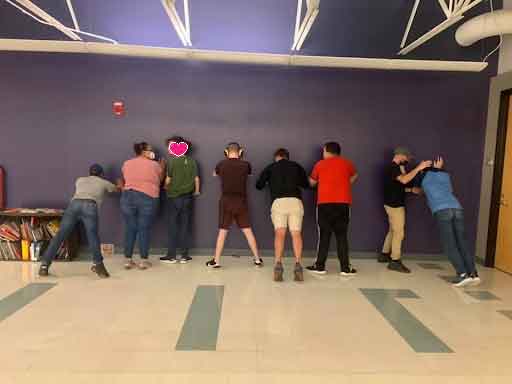
Completing Heavy Work Activities:

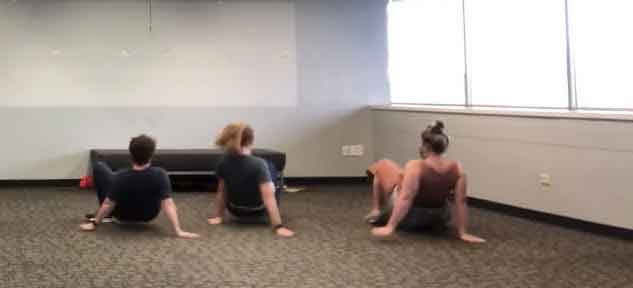
Primary Program Directors practice the crab walk!
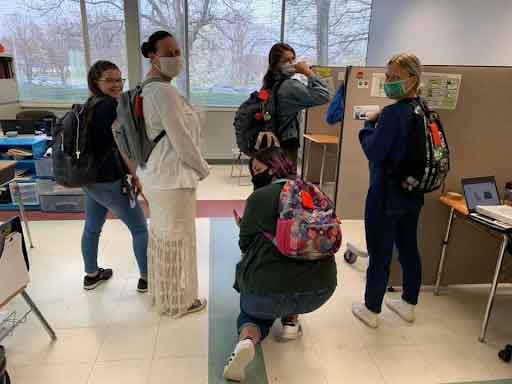
Team Shively teachers practice carrying heavy backpacks.
Students in Team Robinson practice wall push-ups!

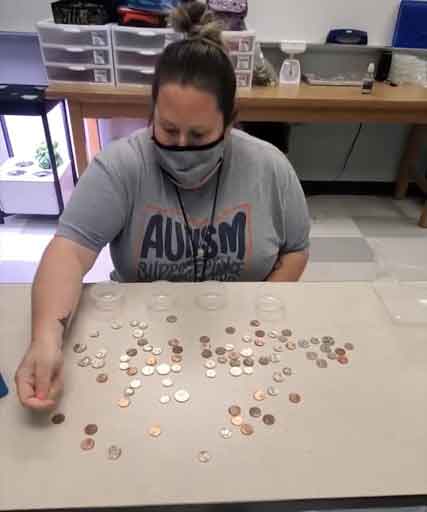
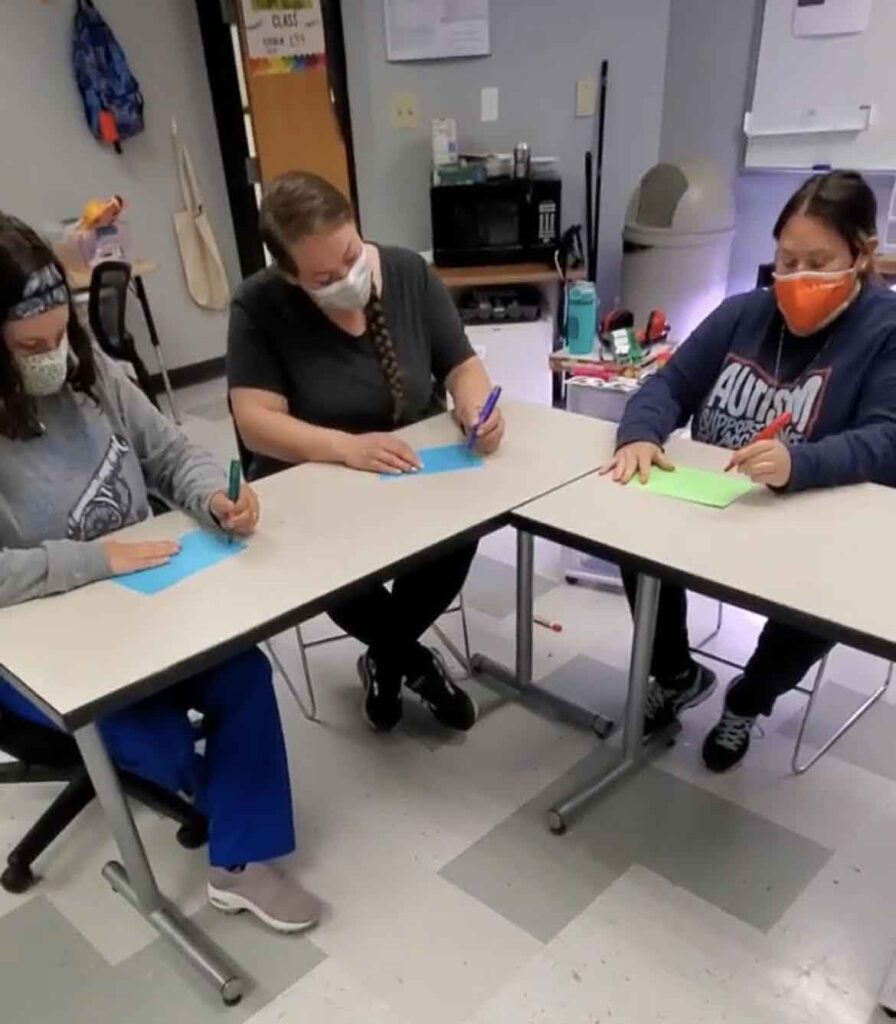
Fine Motor Skills:

Teacher Dawn Battocletti challenged her fine motor skills by picking up coins! She picked up 34 in one minute – with nails on which made it that much harder!
Team Riggs teachers practice writing with their non-dominant hand.

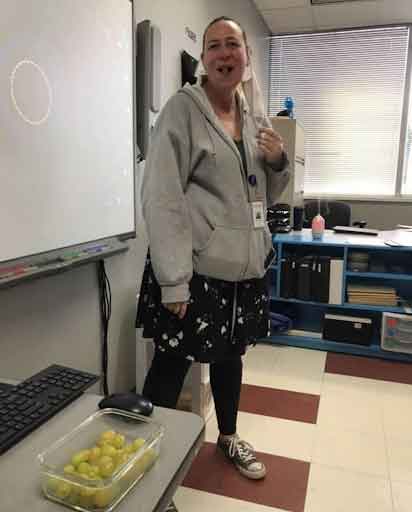
Food Exploration:

Lead Teacher Heather Shively tries a novel and non-preferred food item – cotton candy grapes!

Activities of Daily Living (ADLs):

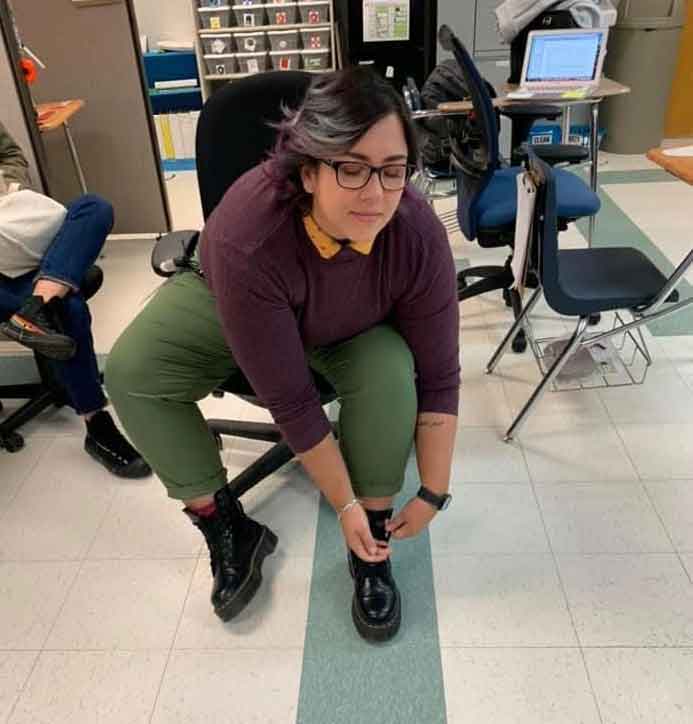
Teacher Hannah Berry practices tying her shoes with her eyes closed!

Written by alex · Categorized: Uncategorized

Feb 24 2021

Celebrating Black History Month At Bridgeway

February is Black History Month and our teachers took the initiative in creating curriculum to celebrate the accomplishments of Black Americans over the course of our country’s history. It is important to discuss Black History throughout the year, but February gives us a special time to pay extra attention to the incredibly important contributions of Black Americans.

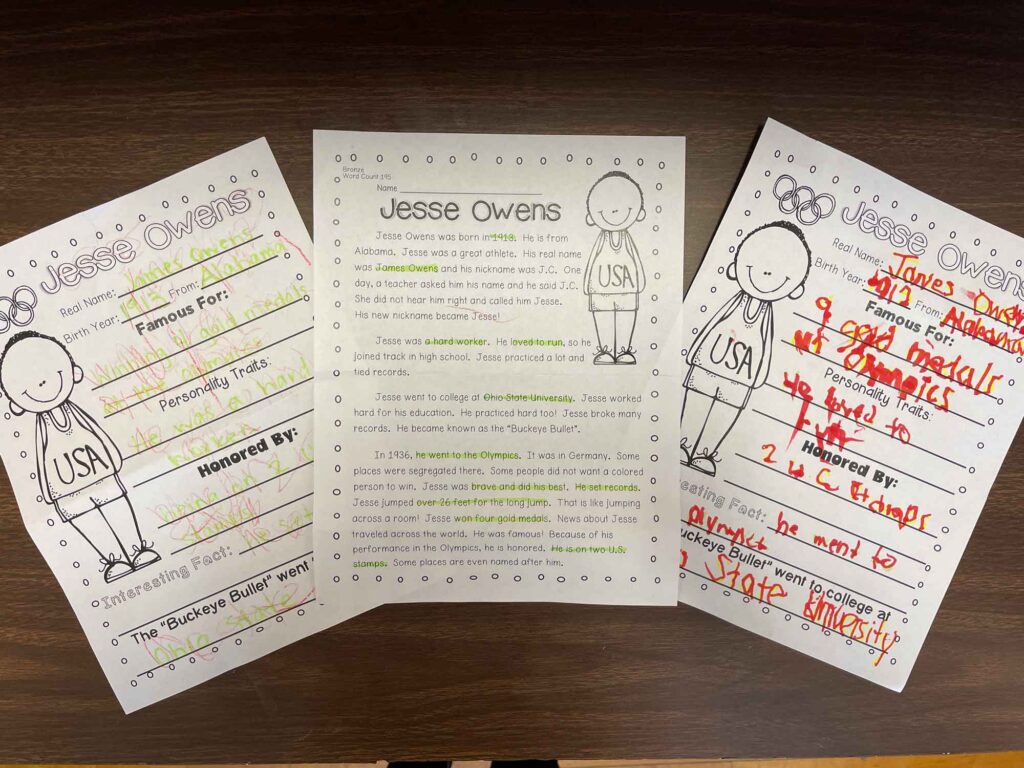
The Dino Class is learning about Jesse Owens, the famous track and field athlete and Olympic Gold Medalist.

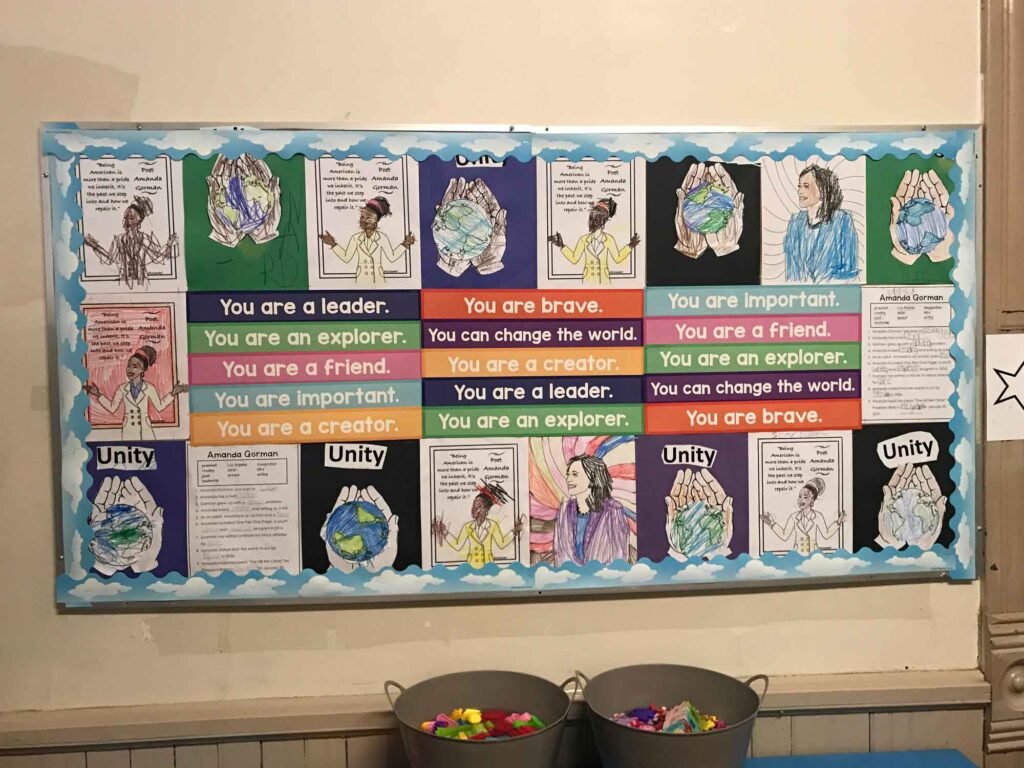
The Hedgehog Class teachers created this beautiful bulletin board with a message of unity and encouragement featuring poet Amanda Gorman and Vice President Kamala Harris.

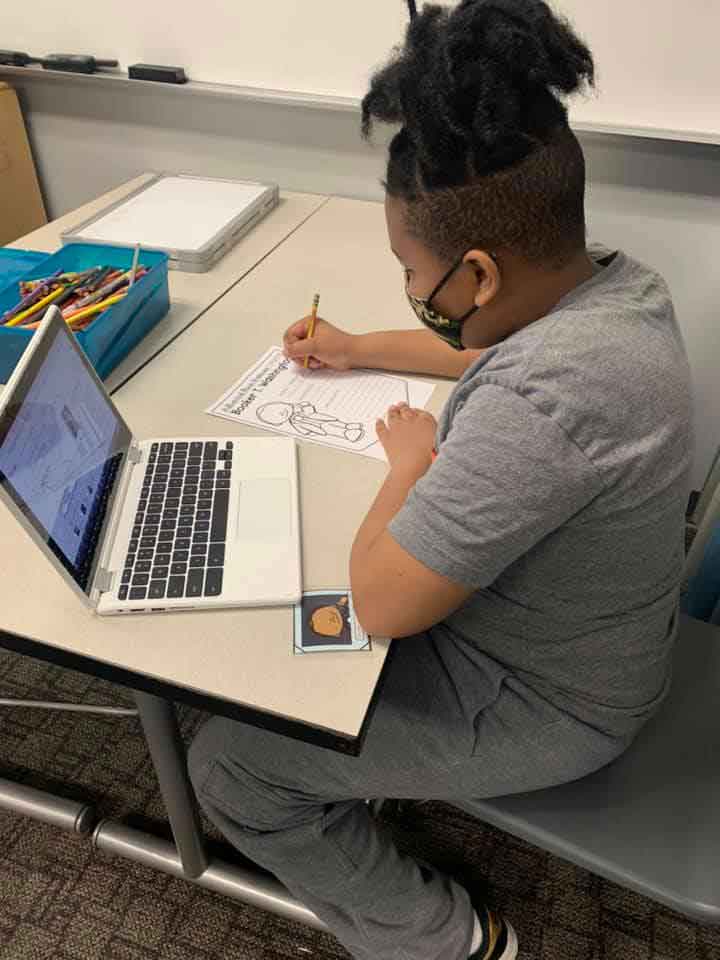
This student in Team Moore is learning about Booker T. Washington. When given the chance to go on website Brainzy, a favorite website of his and a reward for finishing his work, he asked if he could keep working on the Black History Month research project instead. We love our students’ love of learning!

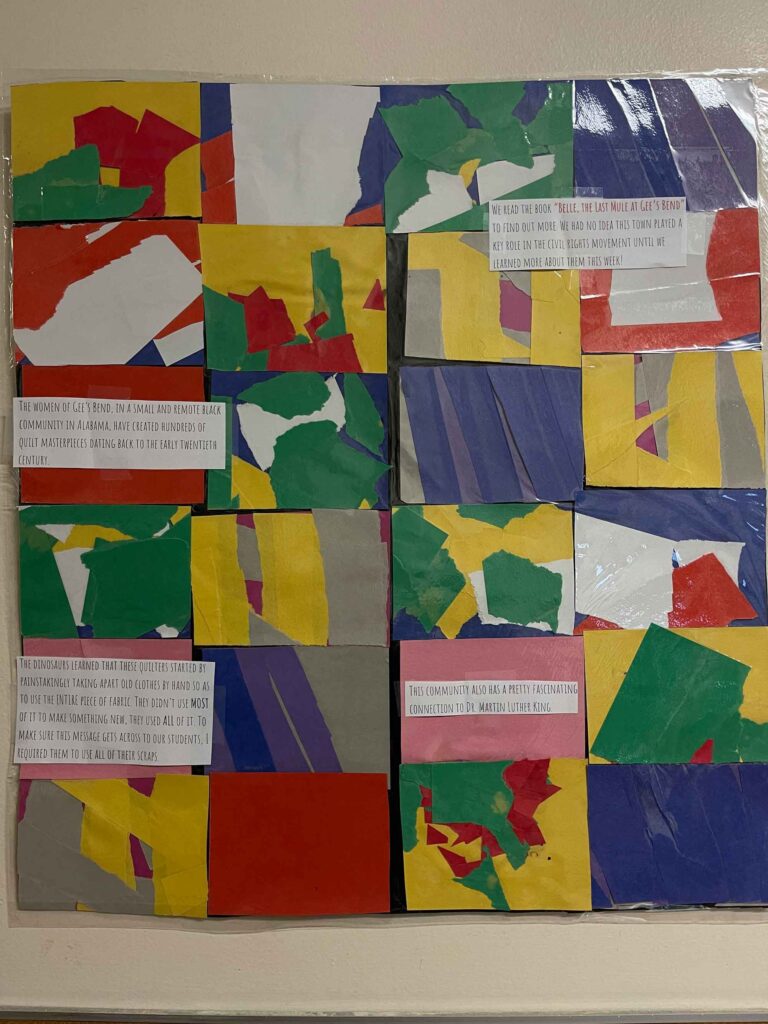
The Dino class learned about learned about the women of the Gee’s Bend town in Alabama, and their immaculate quilts that don’t leave a single scrap of fabric unused. Then, the students made their own quilt using all of their art paper scraps. The class also read the book “Belle, The Last Mule of Gee’s Bend” (by Calvin Alexander Ramsey) to better understand the connection of this town to the Civil Rights Movement and Dr. Martin Luther King Junior.

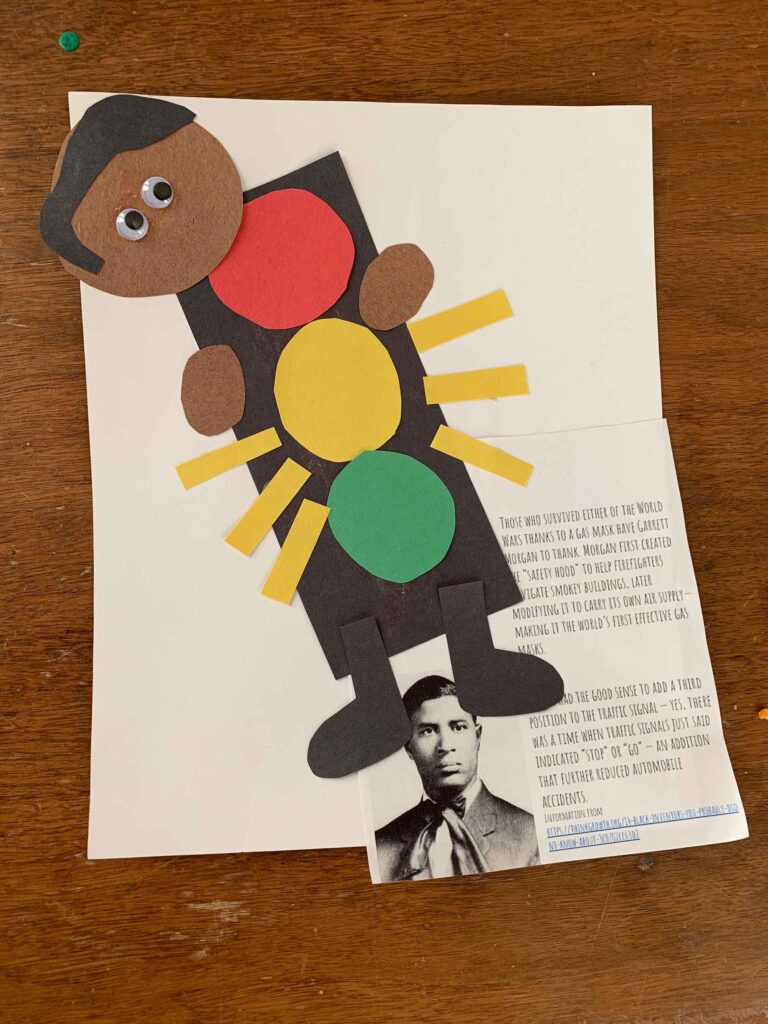
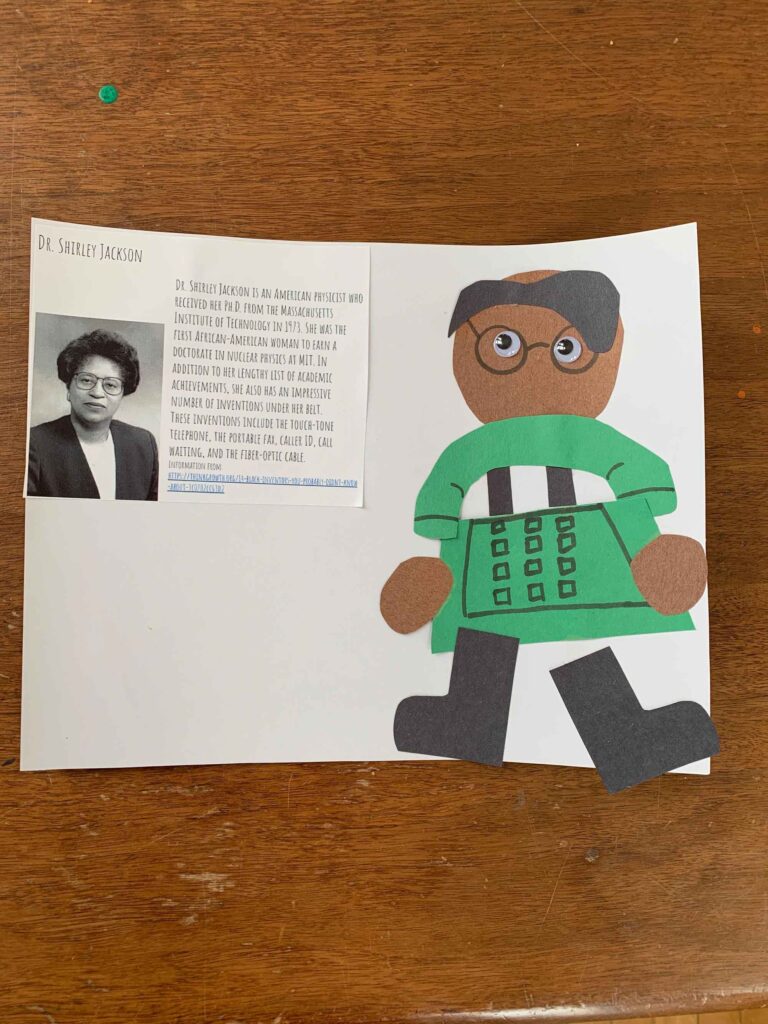
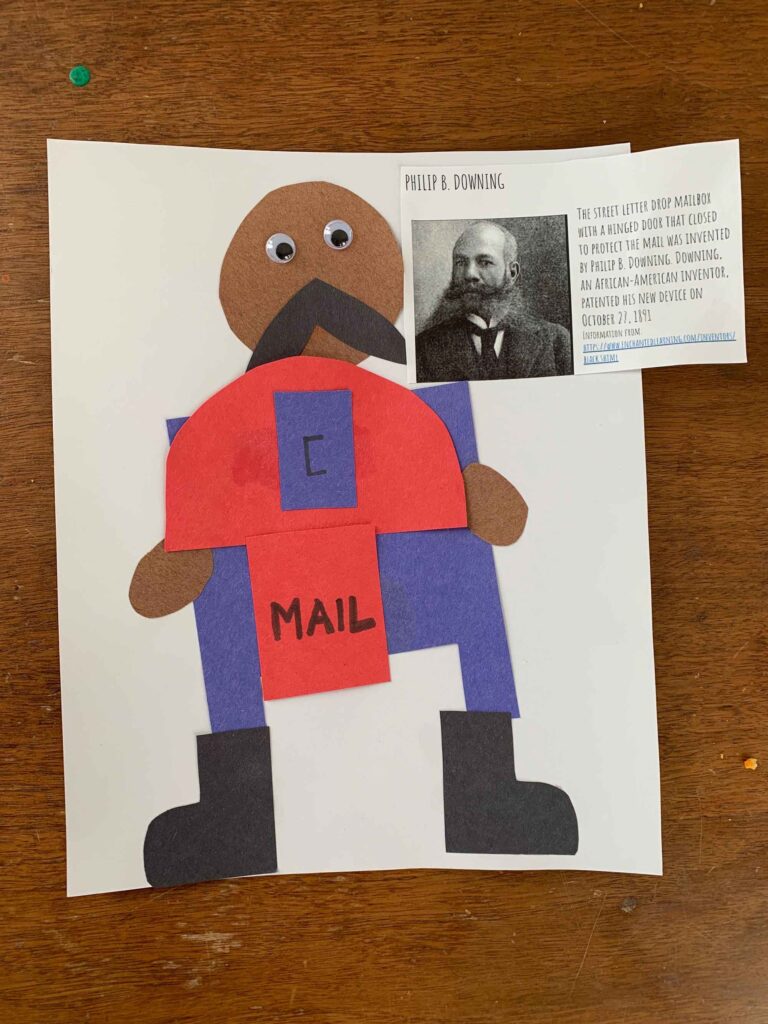
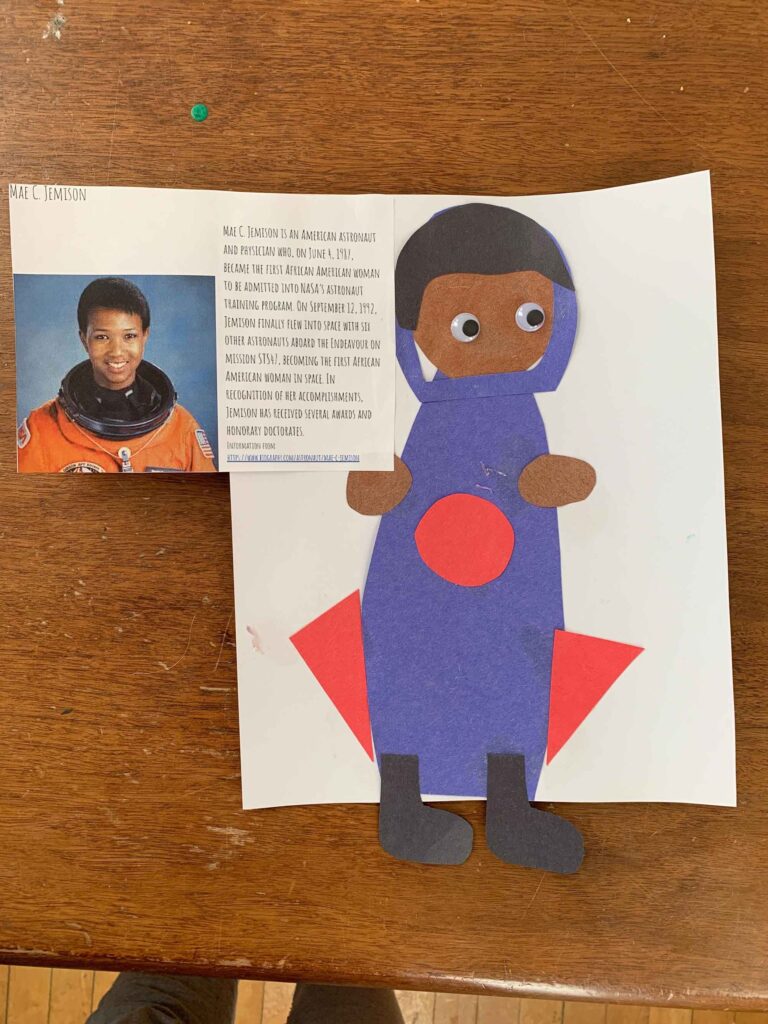
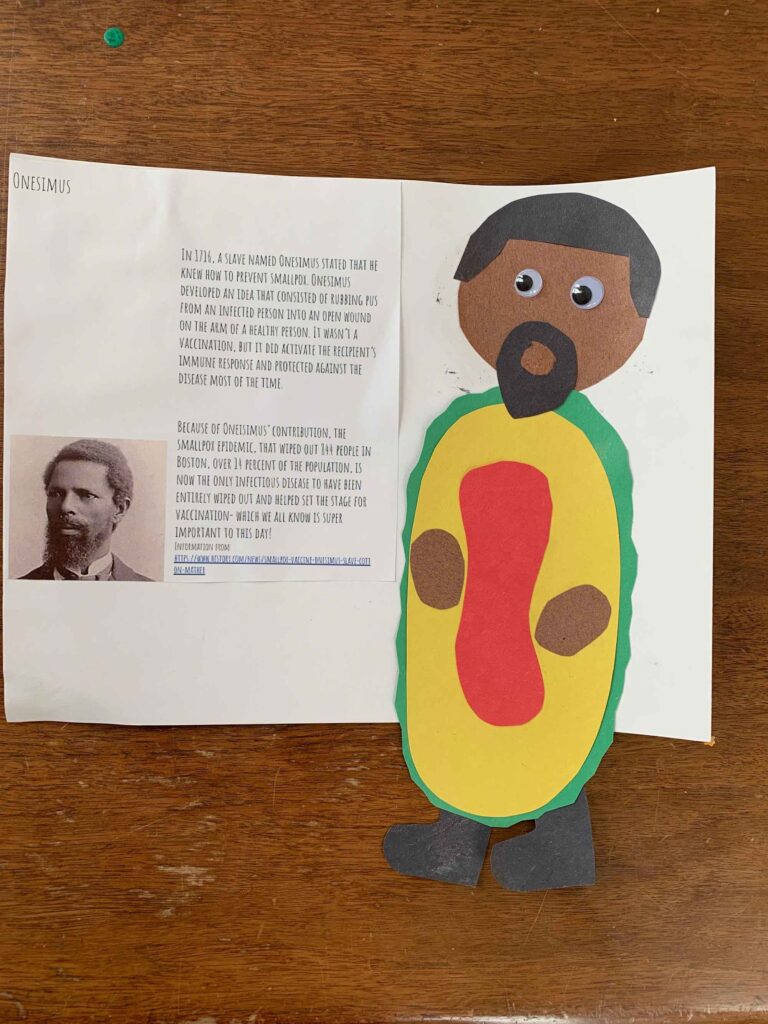
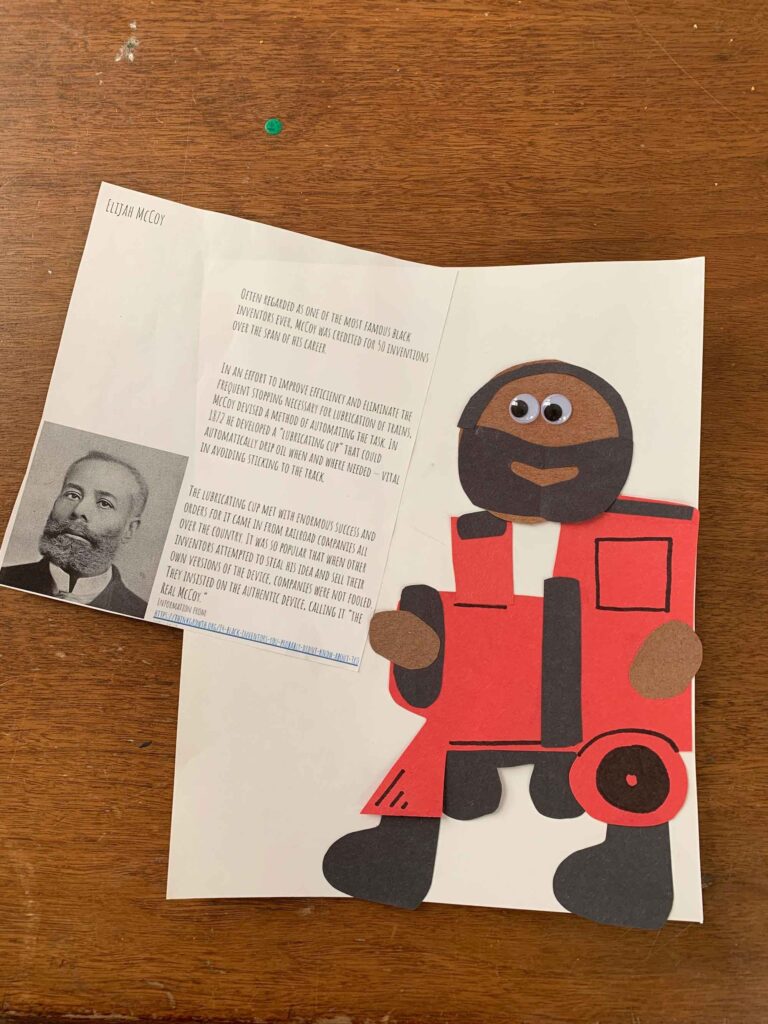
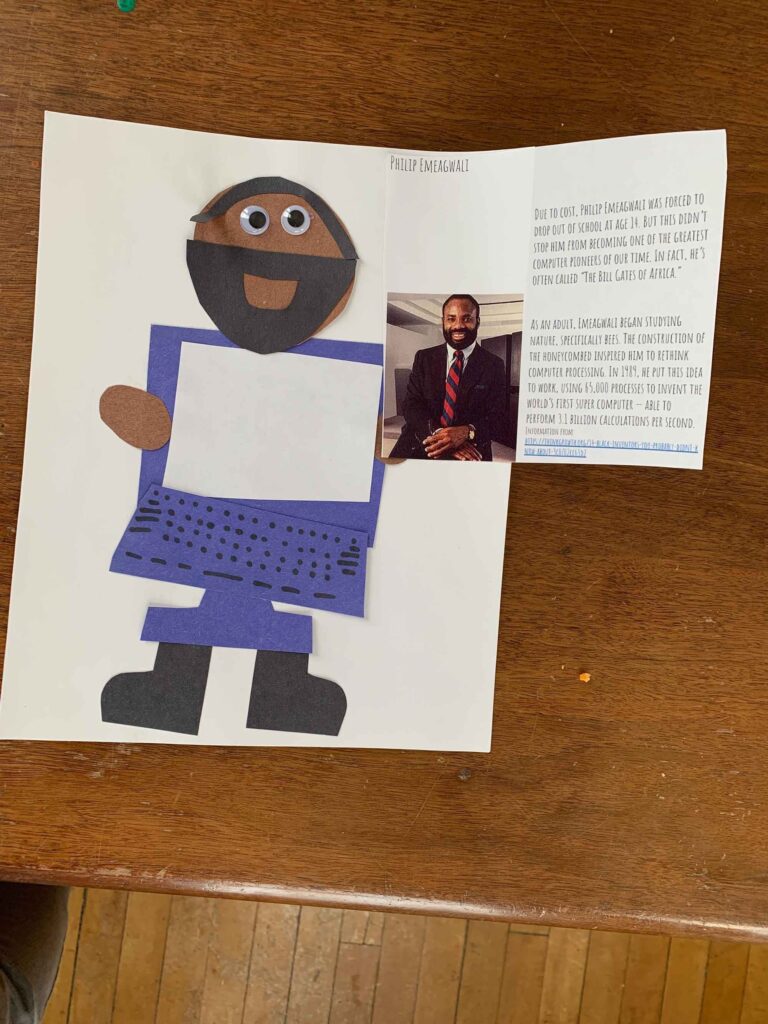
The Dino Class is also learning About Black inventors. Many of the objects we use in our day-to-day lives were created by Black Americans.

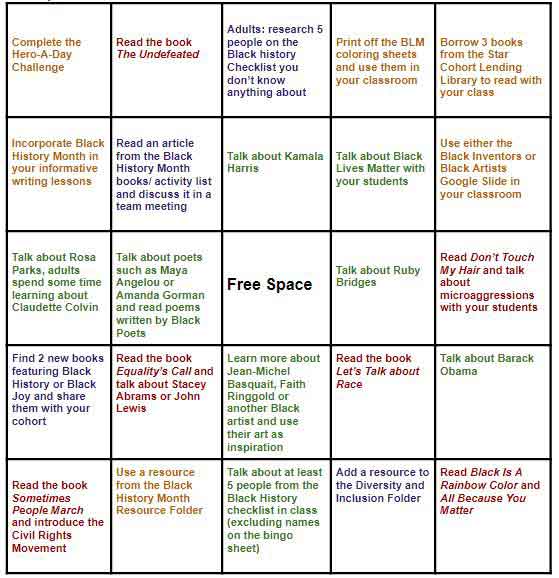
The Star Cohort is playing Black History Bingo as part of their professional development.

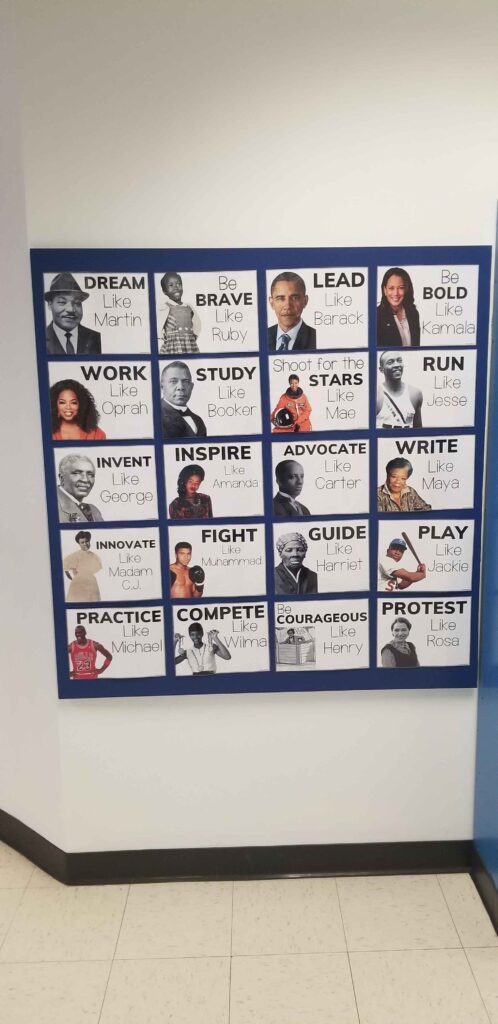
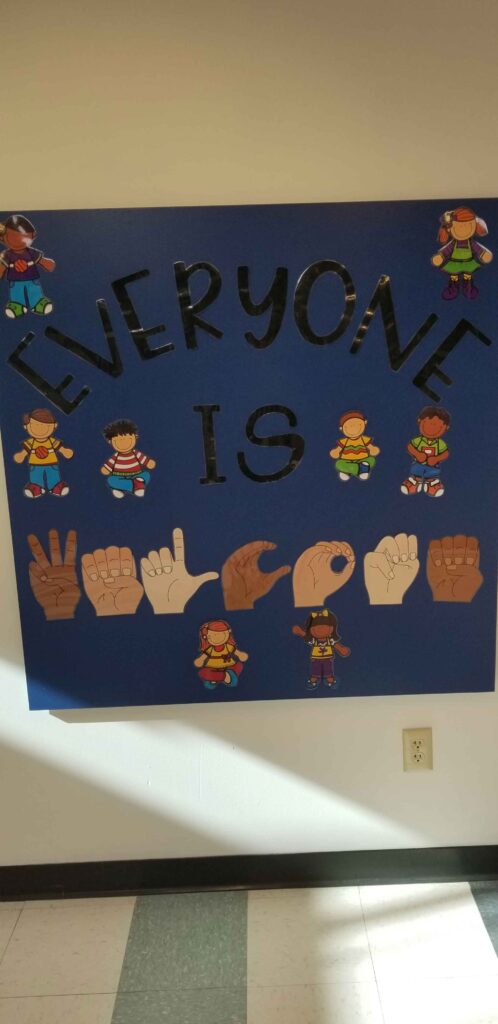
Team Brand at the Secondary School is creating Black History Month bulletin boards featuring Black American icons. Who knows what the Bulletin Board spells in ASL (American Sign Language)?

Written by alex · Categorized: Uncategorized

Jan 28 2021

Learning to Conquer Negative Thinking

By: Lindsay Fletcher, Ph.D., NCSP | Psychology Manager, Bridgeway Academy

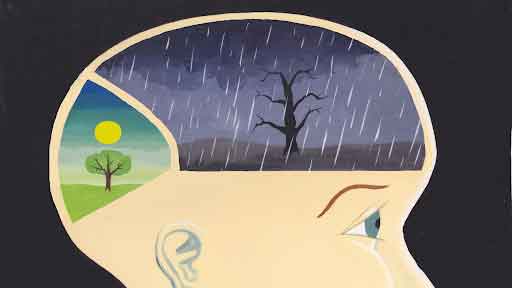
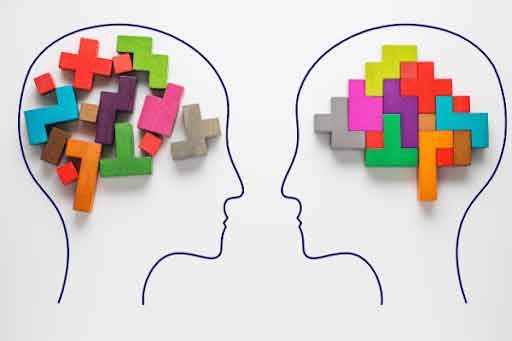
Negative thoughts are a tricky lot. Sometimes, they are a quiet voice that whispers in the background even when you’re trying to stay optimistic. Other times, they shout so loudly that they’re hard to ignore. This shouting may even shape how we view others and the world around us. This is a topic that Bridgeway Academy’s Psychology Department tackles on a daily basis with our therapy clients, so we thought we’d share a couple of our tried and true approaches that are effective for children, adolescents, and adults alike!  

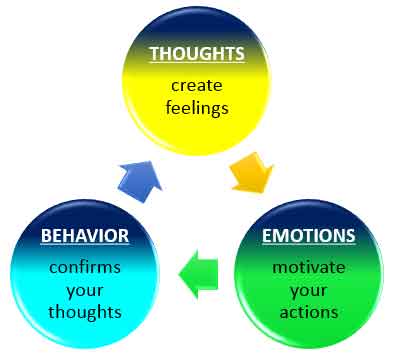
Cognitive Behavioral Therapy, otherwise known as CBT, is an approach based on the reciprocal relationships among thoughts, emotions, and behaviors. From this perspective, one’s immediate interpretations of events are referred to as “automatic thoughts” because they occur spontaneously. These automatic thoughts shape how an individual feels about the event/person/world, and then this shapes the subsequent actions, or behaviors, they take in response to their feelings. These actions typically confirm the thoughts the individual had to begin with which fuels the continuation of these patterns (Freeman, Pretzer, Fleming, and Simon, 2004).

It’s easy to understand how one gets caught up in negative patterns of thinking. Not only do negative world events impact us daily (we’re talking about you, 2020…), it’s also very common to use inaccurate language in our daily lives. How many times have you said someone was “the best” when they did a mundane task for you or “the worst” for a minor (or even comical) infraction? Or, how often have you told someone “You’re hilarious!” or typed “LOL” while barely cracking a smile on your face? Our language has become quite dramatic in the present day, and you’d be hard pressed to find someone who didn’t raise their hand for at least one or more of those examples (psychologists included!). Inaccurately labeling the world around us is a stone’s throw away from misinterpreting situations and creating negative thought patterns as a result.

For the purpose of this blog, we thought it would be helpful to explore a couple of the kinds of automatic thought patterns, also known as cognitive distortions, that can lead individuals to inaccurate conclusions about events. While there are many more examples we could talk about, here are 5 of the most common ones:

All or Nothing Thinking: Also referred to as black and white or polarized thinking, is when things are seen in terms of one or the other with no shades of gray in between.  Example: Believing that one is either a success or a failure, and that anything short of a perfect performance is a total failure.

Catastrophizing: Negative events that might occur are treated as intolerable catastrophes rather than being seen in perspective. Example: You get a C on a single test in high school, which must mean you’ll never get accepted to the college of your choice and then you’ll never get the career you want because you won’t have the right college background.

Personalization: Assuming that one is the cause of a particular external event when, in fact, other factors are responsible. Example: Assuming that your supervisor’s unhappy demeanor is evidence that she doesn’t like you, but you never stop to ask her what is wrong (when in fact she just found out her mother is in the hospital).

Overgeneralization: A specific event is seen as being characteristic of life in general rather than being one event among many. Example: Assuming that you will never be good at math just because you struggled to learn one concept on that one day.

Disqualifying the Positive: Positive experiences which would conflict with the individual’s negative views are discounted by declaring they “don’t count.” Example: Disbelieving positive feedback from friends and family by thinking, “They’re only saying that to be nice.”
For many, one or more of these cognitive distortions will look familiar because you personally may fall into one or more of these traps or know someone who does. While we all experience negative thinking from time to time, once these patterns start taking over day after day, it’s time to put some strategies in place to get yourself back on track. Here are two of the Psychology Department’s favorite tools to use with clients who are struggling with negative thought patterns:

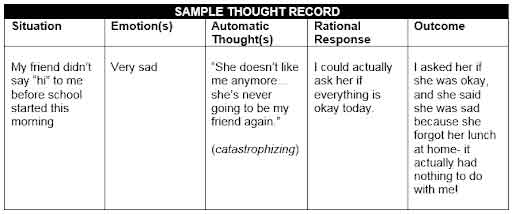
Track Your Automatic Thoughts: The first step is to catch yourself having the automatic thought, and the second step is to write them down on what is often called a “thought record.” Tracking what kind of situation triggered the thought, the emotion you felt, what the automatic thought was, and then attempting to correct that thought to be more rational is a great way to strengthen your ability to stop these distortions in their tracks! Example: Engage in a Behavioral Experiment: One of the most powerful ways to achieve cognitive change is to obtain evidence from personal experience that is incompatible with the negative thoughts. In other words- you don’t have to believe others when they tell you you’re wrong- go out and see for yourself! For example, if the automatic thought is: “I can’t make new friends. People will think I’m weird if I try to talk to them. This one time at the gym, I said ‘Hi’ to the person on the treadmill next to me, and they didn’t even respond. So, why even bother?” (overgeneralization).

Experiment Example:
– Automatic Thought: People will think I’m weird if I try to talk to them.
– Reason You Think That: This one time at the gym, I said ‘Hi’ to the person on the treadmill next to me, and they didn’t even respond.
– Rational Response: Maybe that person couldn’t hear me over their headphones.
– Experiment: Make eye contact with, smile at, and say “Hi, how’s it going?” to at least 5 people at the gym today. Take note of their response and acknowledge if they were wearing headphones and even heard me. Make a note (on paper or on a phone app) of how many people respond positively. Compare this number (likely 4-5) with the number you thought would smile back with a greeting (likely zero). Continue to gather “evidence” to refute the idea that everyone thinks you’re weird if you try to talk to them.If you’d like to learn more about the various types of cognitive distortions that have been researched over the years, check out these resources at psychcentral.com and goodtherapy.org. Sometimes, doing a little reading on your own can open your mind to patterns you didn’t realize you were engaging in, and then with a little information you can start to learn how to combat these thought patterns on your own. Other times, it may be helpful to talk to a professional who can help you transform your negative thoughts and beliefs into empowering affirmations that actually inspire and uplift you.References:
Freeman, A., Pretzer, J., Fleming, B., and Simon, K.M. (2004). Clinical applications of cognitive therapy.  (2nd ed.).  New York, NY: Kluwer Academic/Plenum Publishers.
20 cognitive distortions and how they affect your life.  (2015, April 7).  Retrieved from https://www.goodtherapy.org/blog/20-cognitive-distortions-and-how-they-affect-your-life-0407154

  •  

Written by alex · Categorized: Uncategorized

Sep 11 2020

Coping With Pandemic Stressors

By: Bridgeway Academy’s Psychology Team

The “new normal”? These “challenging” or “uncertain” times? Whatever you call it, we’ve been living it for six months now.

The COVID-19 pandemic has been a true test of our global community’s ability to adapt to change and cope with the whole range of emotions, all of which are completely valid and normal to experience (often within the same day!). While the shock of the pandemic has likely worn off for many of us, there is still the lingering feeling of ‘How do we move forward now?’ This Fall brings an added layer of difficulty as we help our children get back into the swing of a new school year after being out of their “normal” routine for the last 4-6 months! Below, the Bridgeway Academy Psychology Department offers ways to help you and your child(ren) move forward as they provide tips and suggestions for reacclimating to the new school year (whatever that may look like for you).

But first: What’s your child feeling?

Below are a few possible emotions your child – and you – may have experienced in the past few months and may still be experiencing with the neverending changes these challenging times present:

  • Grief: missing time spent with friends and family or attending extracurricular activities, the cancellation or postponement of vacations and local trips; grief can be expressed as sadness, irritability, and/or anger
  • Anxiety and stress: about whether friends or family will catch COVID-19 and experience serious complications, financial stressors, about how to read others’ emotions or interpret verbal messages when talking to someone who’s wearing a mask, about what the future holds as information about safety protocols is constantly changing
  • Frustration: over constantly being required to adapt to change, not being able to get back to favorite activities, feelings of boredom or “Groundhog Day”, the increase in virtual demands in place of face-to-face learning/therapies/socialization, having to wait for concrete information about how reopenings will look for a wide variety of settings
  • Happiness: many people are identifying the “silver linings” of COVID-19, such as enjoying the chance to slow down from busy schedules and spend quality time with their families or developing new hobbies or skills while stuck at home (e.g., cooking, art)

Starting the new school year

Whether your child is returning to school full-time, on a hybrid schedule, learning virtually from home, or beginning a homeschool curriculum, every situation presents a set of challenges and opportunities for growth. Below are some tips to help you and your child navigate these new and unfamiliar waters [please note: we suggest picking 1-2 areas you would like to build upon first; trying to implement all of these tips at once may be overwhelming for both the caregiver and the child(ren)]:

Share age appropriate information once available:

Read over and digest the school plans before discussing it in any detail with your child. This will look different depending on the age of your child. For example, preschoolers may understand more concrete changes to their school day, such as having to wear a mask or washing their hands more frequently, whereas elementary school students who may have a better understanding of why there are new rules but may need help coping with any feelings of “loss” (e.g., classrooms are in cohorts so they may not see their friends every day, only seeing their friends on a screen, modified or canceled extracurricular activities

Practice: Practice wearing a mask with your child or role playing their favorite stuffed animals/toys wearing masks and exhibiting social distancing. Consider using a social story or video modeling to help teach and practice these new skills. Help your child create a short list of go-to songs they can sing while washing their hands to help them reach that 20 second mark. Here are a few new songs to try!

Answer their questions: 

Kids cope with their emotions in different ways, and while some may benefit from hearing a lot of information about how school will be different because this can help them to know what to expect, others may only need/want to know general details about changes to come.  In some cases, you may not have all of the answers, but answering their questions the best that you can will help ease some of their anxieties about the upcoming school year. Refrain from using the news or media as a way for children to learn the information. Instead, a social story or developmentally/age appropriate conversation can help explain this unfamiliar, complicated topic to children in a more digestible way.

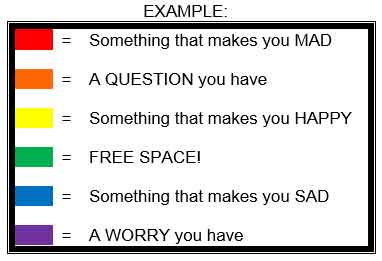
Practice: Play a familiar game with your child (e.g., Candyland) and modify it to allow for opportunity for questions, discussions, or sharing feelings about all the changes we are going through. For example, spinning red or drawing a red card means you name one thing that makes you mad about the new school year, orange means asking a question about the school year, etc.  Jotting the categories down on a scrap piece of paper or dry erase board helps!  A personal favorite of Bridgeway Academy’s psychologists is to pair the colors of the game you are playing with the emotions from the movie Inside Out for the topics.  Rainbow Jenga lends itself perfectly for this approach!

Normalize their fears and worries:

When kids are upset or worried, they may not always understand what they are feeling or why. Modeling your own emotion identification and regulation can help kids understand and express their feelings appropriately. For example, you could explain “I’m frustrated because I can’t see my friends in person, but I’m going to Facetime with one of them for lunch today so we can catch up. That will help!” to cover the what, why, and how of the problem/problem solving process. As situations arise, explain to your child that what they are feeling is normal and try to incorporate feeling vocabulary throughout the day. Help your child identify by name who they can talk to in specific settings, such as their teacher or therapist.

Practice: Practice with your child how to raise their hand in class (or, if learning online, how to reach their teacher)  and what to say to let the teacher know they are feeling uneasy; teach your child how to do this privately if they do not want an audience listening while they talk to their teacher. Reach out to your child’s speech therapist and education team for individualized approaches if your child communicates with a device, PECs, or sign language.

Help them manage their emotions:

It is important for strategies to be taught and practiced during times when your child is calm. This allows them to build their skills before they need to apply them in more distressing situations. After teaching the skills, you can remind your child when to use them. For example, if your child seems nervous, you can say, “This is a good time to take a few deep breaths. Let’s do it together.”  Here are a few other strategies to check out:

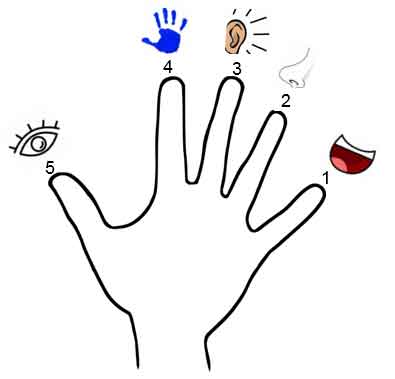
Practice #1: Grounding techniques: pick a color and find five things of that color in the room and then list them aloud. Continue with different colors or quantities as needed. A similar approach is a Mindfulness technique that involves going through the five senses and identifying 5 things you can see, 4 things you can feel, 3 things you can hear, 2 things you can smell, and 1 thing you can taste at that time. More great visuals can be found here!

Practice #2: Positive Imagery: think about an enjoyable place like the beach or the forest to take a “mental vacation.” Help your child name specific things they are picturing in their imagination, like the warm sun on their skin, the sound of ocean waves, or the smell of delicious food.

Practice #3: Relaxation techniques: take several slow deep breaths in through your nose and out through your mouth; adding a tangible activity to this technique, such as blowing bubbles, can often make it easier for children to slow down. Contact your child’s occupational therapist for more individualized approaches.

Get back in a routine:

Combating the seemingly never ending ambiguity we now face with predictable schedules/routines is one sure-fire way to help everyone feel a little more grounded each day.

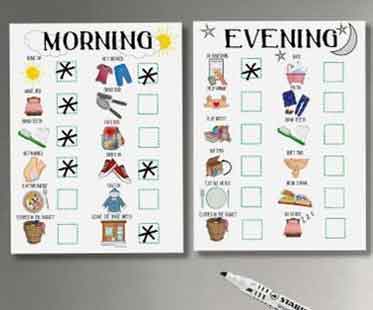
Practice: Practice using a visual schedule each day to keep everyone on track with their new routine regardless of where their learning environment is. Reach out to your child’s teacher or program director/manager for help creating visuals that suit your child’s needs. Check out these ideas!

If you have any questions about any of the above suggestions and strategies or about starting the school year in general, reach out to your support team!  We’ve all heard it 1,000 times by now, but this is especially true at Bridgeway Academy… we’re all in this together!

References/Resources:

  • https://www.cincinnatichildrens.org/patients/coronavirus-information/family-resources/mental-emotional-health 
  • https://www.chop.edu/news/health-tip/managing-emotions-during-covid-19 
  • https://nyulangone.org/news/schools-out-parents-guide-meeting-challenge-during-covid-19-pandemic

Written by alex · Categorized: Uncategorized

  • « Go to Previous Page
  • Page 1
  • Page 2
  • Page 3
  • Page 4
  • Page 5
  • Interim pages omitted …
  • Page 12
  • Go to Next Page »

Bridgeway Academy
1350 Alum Creek Drive
Columbus, OH 43209
614.262.7520

Privacy Policy

Equal Opportunity Employer City of Columbus Franklin County Board of Commissioners

Donate Now
Facebook Link Instagram Link Twitter Link Youtube Link LinkedIn Link
The Yass Prize