• Skip to main content
Bridgeway

Academy and Therapy Center

  • Who We Are
    • Organizational Leadership
    • Bridgeway Value Awards
    • Testimonials
    • Community Partnerships
    • FAQs
    • Contact Us
    • News
  • Events
    • Bridgeway Golf Scramble
    • AmazeAbility: 20 Years of Possibility!
  • Make a Difference
    • Scholarship Granting Organization
    • Donate to Bridgeway
    • Planned Giving
    • Amazon Wishlists
    • Champions, Heroes and Superheroes
    • Bridge Builder Awards
    • Volunteer Opportunities
  • For Parents
    • Prospective Parents
    • Attendance Form
    • Wait List
    • Enrollment Application
    • Autism Scholarship & Other Funding Opportunities
    • Current Parents/PTA
    • Resources
    • Calendar
  • Blog
  • We’re Hiring
  • Bridgeway Academy
    • Preschool Program
    • Peer Model Program
    • Elementary
    • Academic Program
    • Applied Program
    • Life and Vocational Skills
    • B.R.I.D.G.E. To Adulthood
    • Summer Program
    • Before/After Care
  • Bridgeway Therapy Center
    • AAC Evaluation Center
    • Family Partnership & Crisis Stabilization
    • Clinical ABA
    • Music Therapy
    • Occupational Therapy
    • Physical Therapy
    • Mental Health & Psychology
    • Speech Therapy
  • Donate

alex

Jun 08 2018

“How was your trip?” SkillCorps India, 2018

By Stephanie Keyser, M.A., BCBA, COBA
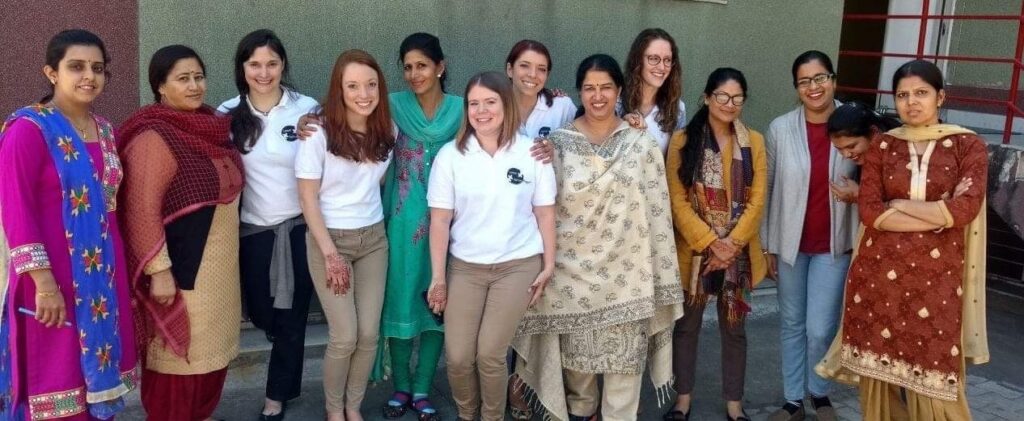
“How was your trip?” This question is the conversational opener I would expect from anyone interested in learning about my recent experience in India, yet each time I’m asked I find it inordinately difficult to answer.  Working with students and staff at SOREM, and with the SkillCorps team, has had a profound impact on both my professional and personal outlook and practices.  The effort that educators at SOREM are putting in daily, to enhance the lives of their students and to promote acceptance of individuals with autism in their community, is truly inspiring.  I am humbled to have had the opportunity to work with, and, most importantly, to have learned from them.
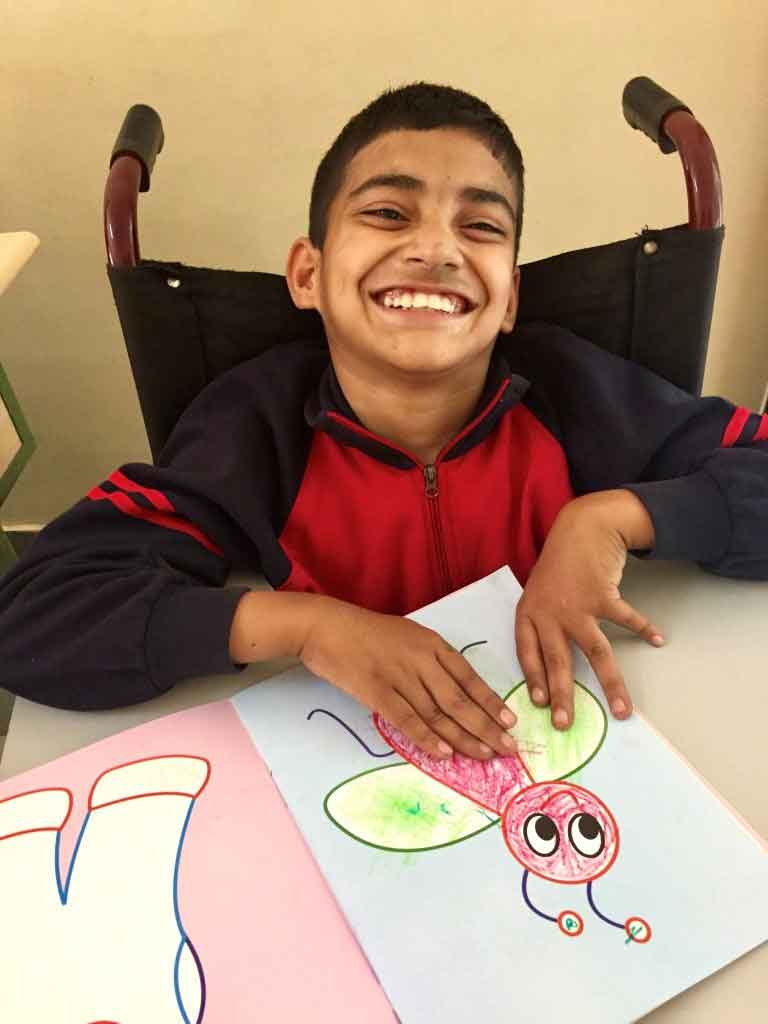
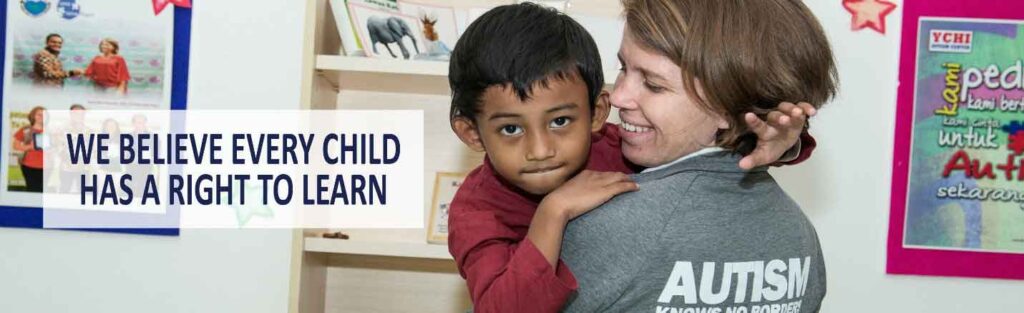
After a two-day training in NYC, in which SkillCorps team members discussed clinical goals, and important topics such as sustainability and cultural humility, each individual team set out to their international partner site.  Our team of five began the 18-hour journey to Chandigarh, India. The next day we hit the ground running, consulting with classroom teachers and getting to know students at SOREM. We observed, discussed student behavior, reviewed educational goals, and collaborated to promote the use of ABA strategies to support student, classroom, and organizational needs. Together the SkillCorps team members and SOREM staff developed goals to work on over the next two weeks, with the intent that strategies being practiced would sustain in the classrooms long after our team departed.
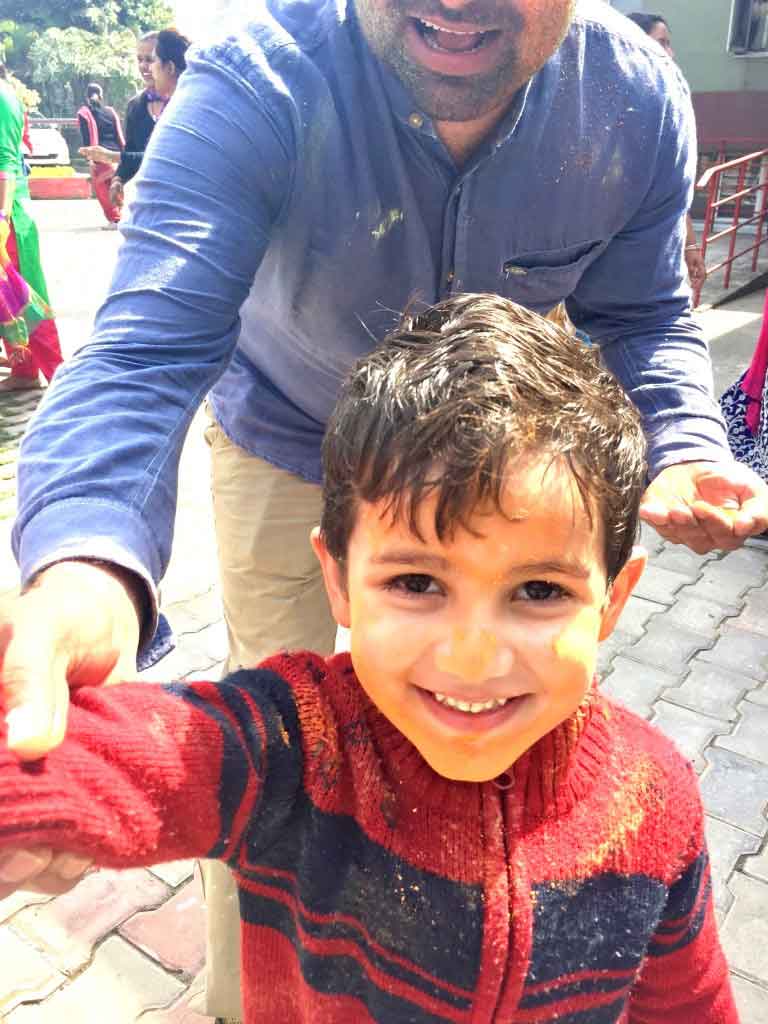
Throughout the trip SkillCorps members trained and collaborated with SOREM staff to focus on piecing together components of a Behavior Support Plan, effectively generating and using antecedent and consequence strategies, and using data collection methods, to support the needs of their students.
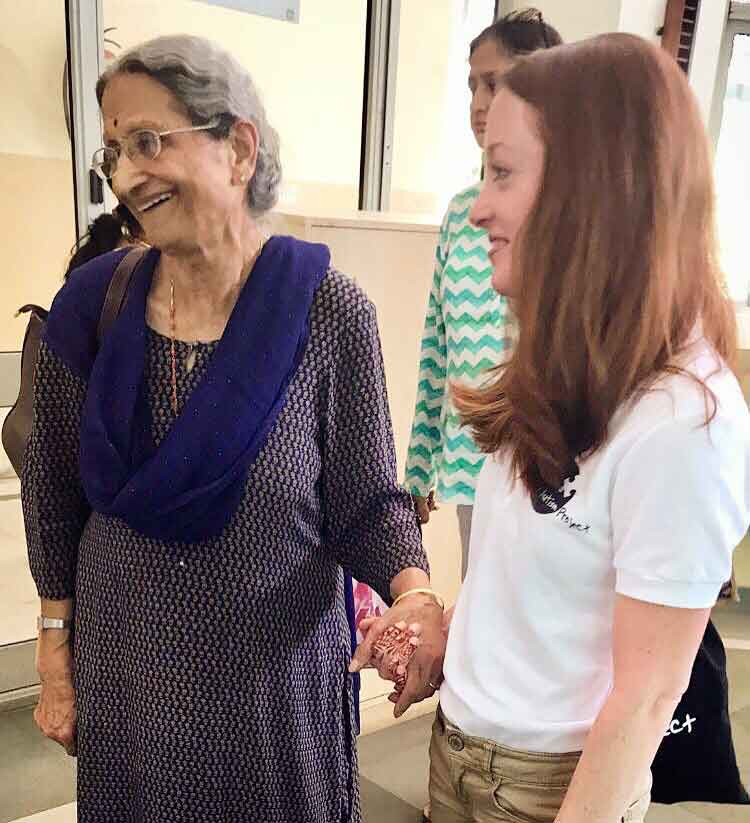
I loved arriving at SOREM in the morning.  It was invigorating.  We were greeted with smiles and excited waves from the students who had just finished their morning roller-skating activity, or by the student excitedly requesting a high-five, as he got started with academic work for the day. I met mothers.  Mothers who are also teachers and advocates, who are working at SOREM to continue learning about how they can best support not only their students with autism, but their children with autism.  Working with these women taught me an important lesson in perseverance and strength, and I am so grateful to have met them.
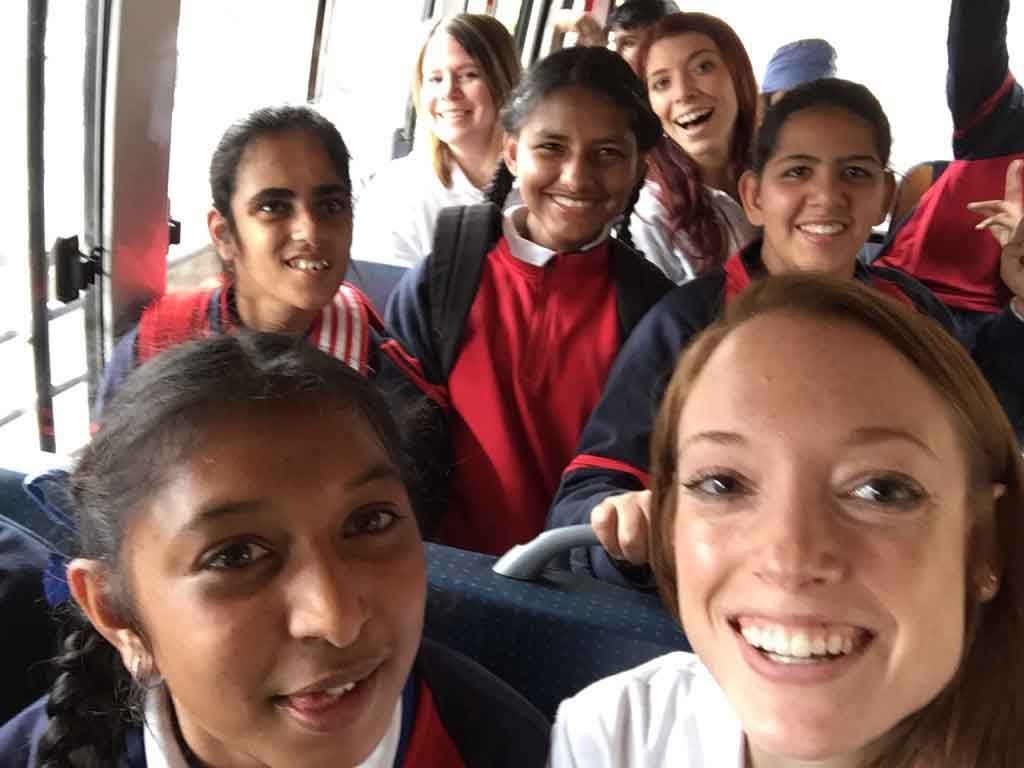
Since returning from India I have enjoyed noticing ways in which the lessons I learned from the experience have carried over into my professional practice, and personal outlook.  A sincere “Thank You” to everyone who so graciously showed their support throughout the fundraising and preparation process leading up to the trip.  The benefit that SkillCorps, and the Global Autism Project, are having on the lives of individuals with autism and their communities, is truly significant and inspiring.  I feel honored to have participated in a movement that is promoting such positive change in the life of individuals with autism around the world.

Written by alex · Categorized: Uncategorized

Mar 06 2018

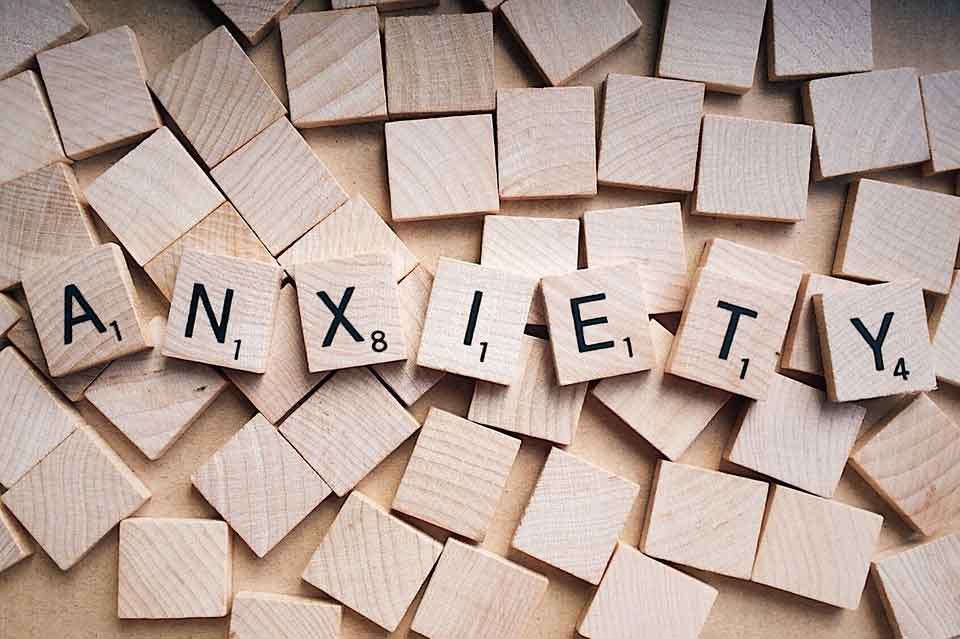
ASD and Anxiety

By: The Psychology Department
Dr. Lindsay Fletcher, Dr. Nicole Benson, and Dr. Julie Henzel

Anxiety disorders commonly occur in individuals with Autism Spectrum Disorders (ASD). Research suggests that about 40% of individuals with ASD also qualify for a separate anxiety diagnosis (Van Steensel, Bogels, & Perrin, 2011), although studies have found rates ranging from 11-84% (White, Oswald, Ollendick, & Scahill, 2009). The most commonly diagnosed anxiety disorders in individuals with ASD are specific phobia, (a fear of a certain object, place, or situation), followed by obsessive-compulsive disorder (repetitive and obsessive behaviors), and social anxiety (fear of social interactions).

It can be challenging to determine an additional diagnosis of anxiety in children with ASD. For example, social deficits and restricted/repetitive behaviors inherent to autism can make simple activities such as interacting with others, leaving the house, riding in a car, breaking away from preferred activities, or trying a new activity naturally more anxiety provoking. Anxiety symptoms are particularly challenging to discern in nonverbal children or those with more severe autism symptoms. Additionally, even verbal children with ASD tend to have difficulties articulating their anxieties.

If you are concerned that your child may be struggling with anxiety, it’s helpful to consider whether there are specific triggers to their behavior, how long these behaviors have been present, and if these behaviors differ from their normal baseline behaviors. Also, one should consider whether there have been any changes or stressors in the individual’s life. It’s important to be mindful that your child may be more sensitive to triggers such as school breaks, a change in a parent’s work schedule, or a change in babysitters or teachers. You may see some signs of anxiety such as the following:

  • Physical symptoms such as a racing heart, muscle tensions, stomach ache, headache
  • Increases in irritability, temper tantrums, oppositional behavior, or aggressive behaviors
  • Increased difficulty going to sleep and/or staying asleep
  • Increased repetitive behaviors (e.g., child is lining up more objects or stimming more frequently than usual)
  • Spending inordinate amounts of time engaged in repetitive routines and becoming highly
    distressed when repetitive routines are interrupted
  • Difficulty moving forward with activities when hit with setbacks
  • Regression in life skills/more dependence on adults
  • Increase in self-injury
  • More resistance in joining social situations, going to school, or going on community outings
  • Increased clinging to caretakers or separation difficulties

How to Help:

As mentioned, many individuals with autism naturally experience higher levels of anxiety. Many children (and most people in general) can benefit from developing coping strategies regardless of whether or not a formal anxiety disorder diagnosis is present. These are some techniques that may help:

  • Build your child’s “feeling word” vocabulary and help him or her to identify triggers to their feelings. The better they can communicate their feelings, the more likely they will be able to seek help and be able to work through anxiety-provoking situations. It may be helpful to post a feelings face poster in your house. (Example: https://smile.amazon.com/Feelings-Mood-Magnet-Today-Feel/dp/B004H61CWS/ref=sr_1_1?ie=UTF8&qid=1516213604&sr=8-1&keywords=feeling+face+chart).
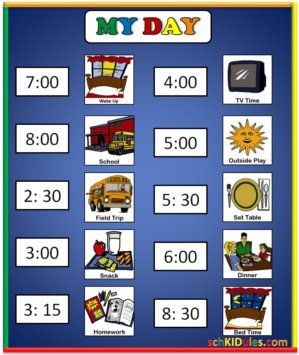
  • Utilize visual strategies such as visual schedules or posting events on a calendar to help your child know what to expect next.
  • Review schedules and expectations for the day.
  • Plan regular outings for your child to practice social and community living skills
  • Social stories can be developed to help teach and reinforce coping skills or to address specific anxiety triggers.
  • Develop relaxation techniques such as deep breathing, slowly counting to 10, or taking a break in a quiet area. These techniques are always more powerful if you do them along with your child.
  • Help your child develop self-talk to work through stressful situations. Having functional, go-to phrases such as, “Everyone makes mistakes, I can try again next time!” can be helpful for many children.
  • Have your child expend nervous energy through physical activities such as jumping on a trampoline, dancing, or running laps around the yard.
  • Model healthy coping behaviors to stressful situations. It is okay to share bits and pieces of your daily challenges and how you coped with them (as long as the situations are developmentally appropriate for your child to hear).
  • Teach any functional skills that may be lacking, such as how to find a different playmate if someone doesn’t want to play or how to ask for help.
  • Cognitive behavioral therapy (a counseling approach that teaches the relationships between thoughts, feelings, and behaviors) has been shown to be helpful for verbal individuals with ASD.
  • Practice, practice, practice! A natural response is to avoid anxiety-provoking situations or shield your child from these experiences. However, it’s important for them to have opportunities to work through their anxieties and practice their coping skills.
  • Medications can be helpful in some cases; please consult your child’s physician to learn more about this area.

If you have concerns about your child’s behavior or level of anxiety, the Bridgeway Academy psychologists and Program Directors/Managers are here to help! Additionally, we encourage you to reach out to your child’s pediatrician if you have concerns.

Sources:

  • autismspeaks.org
  • cdc.gov
  • Van Steensel, Bogels, & Perrin, 2011: https://www.ncbi.nlm.nih.gov/pmc/articles/PMC3162631/
  • White, Oswald, Ollendick, & Scahill, 2009:
  • https://www.ncbi.nlm.nih.gov/pmc/articles/PMC2692135/
  • Anxiety and Autism Spectrum Disorders: https://www.iidc.indiana.edu/pages/anxiety-and-autism-spectrum-disorders

Written by alex · Categorized: Uncategorized

Nov 10 2017

We Are Thankful

By Janelle Maur and Students from Team K

As we near the Thanksgiving and Holiday season, it’s important to take a moment out of the daily routine to pause and think about thankfulness. As part of this, we asked some of our students at the Secondary School & Therapy Center to think about what they’re thankful for. Here’s some of what Team K is thankful for, in their own words:

I am thankful for mom.
I am thankful for Fall and leaves.

 I am thankful for pumpkin pie and food.
I am thankful for my family.
I am thankful for my brothers and sister.  

I am thankful for my parents.
I am thankful for my roof so I don’t get wet.
I am thankful for my dogs.

I am thankful for my friends, my family, my teachers, my classmates, my food, my parents/grandparents/caretaker, my water, my strategies that I can use, etc. The reason I am thankful for all that stuff is because I get provided. I get to drink that water I get to eat that food I get taught I am not the only one in the class I have people who have stuff in common with me etc. The reason I get provided, fed, and all of that stuff I am thankful for is because the people I get taken care of by care about me.

I am thankful for Squanto once he told the Pilgrims how to survive in their new home. I am thankful for the family football game. I am thankful for the family I have, even when I want another dog.

Yaya is playing a game called Minecraft. I am thankful for Yaya.
Me and Yaya are playing Minecraft in the game. Play with Yaya and me. Play games.

I am thankful for my family.
I am thankful for food.
I am thankful for friends and nice teachers. 

Thank you every body.
I am thankful for everything you all give me.
I am thankful for all of your help and I am thankful for you all caring about me.

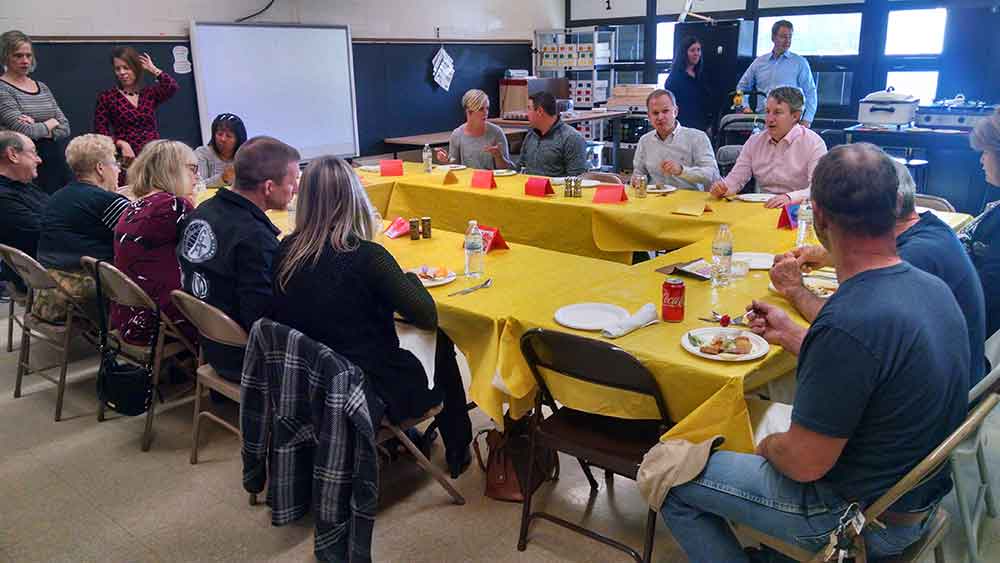
We also welcomed our Hero and Superhero donors to the Secondary School and Therapy Center on Thursday, November 9th for our annual Thanksgiving Luncheon. The Luncheon took place in the Vocational Skills Center, and students from Team Somers, Team Blackburn, and Team Walker even helped prepare and/or serve the meal. It was a great way to thank our donors for their support and provide life and vocational skills training for our students at the same time. Donors were also treated to a musical performance of classic rock songs from students from Team Stefanik, accompanied by Music Therapist, Liz Woolley.

Lastly, on behalf of the students and staff, we are thankful for YOU, our wonderful, AMAZING and supportive Bridgeway Academy community. Thank you for all you do throughout the year to help our students and clients reach their highest potential.

As we approach the end of the calendar year, we are asking for your financial support. If you recently made a donation to Bridgeway Academy during The Big Give, we are thankful. If you’ve never made a contribution to Bridgeway Academy, please consider a donation of any amount today. If you are still planning your year-end giving, we ask you to generously support Bridgeway Academy. Tax-deductible gifts of any amount can be made right now at https://bridgewayohio.org/make-a-difference/donate-to-bridgeway-academy/. Thank you in advance for your support.

Written by alex · Categorized: Uncategorized

Nov 06 2017

Globalizing Autism Advocacy: My Upcoming Work in India as a Skilled Volunteer

By Stephanie Keyser, M.A., BCBA, COBA

My vision is simple: Promote the acceptance, education, and autonomy of individuals who may need support advocating for these rights on their own.

I am lucky be provided with the opportunity to live this mission daily through my work at Bridgeway Academy, and am thrilled to soon be able to extend that support on a global level, as a SkillCorps volunteer through the Global Autism Project! The mission of the Global Autism Project is to promote the acceptance and integration of individuals with autism worldwide, by training local communities in culturally-relevant, sustainable practices.

This February, along with other skilled volunteers, I will be traveling to Chandigarh, India, to train teachers in the use of evidence-based practices, in order to support the educational needs of students with autism. Together with the teachers and staff at SOREM (an educational center for individuals with autism and other developmental disabilities), the SkillCorps volunteers will help to create sustainable programming, which will be used to support students long after the team departs.

I am continually humbled by my work and experiences with families in the Columbus community, and am reminded daily of the capacity all children have for learning – especially when provided with the appropriate support. I am so excited for the opportunity to support, connect with, and learn from the local community in Chandigarh, and to further expand my cultural reach through this experience.

I look forward to sharing my journey with you! 

If you’d like to learn more about how you can support Stephanie’s work with the Global Autism Project, click here.

Written by alex · Categorized: Uncategorized

Oct 20 2017

How ‘Out’ Changed Everything: A Journey Through Speech Therapy

By:  Cassie Wilhelm, MA, CCC-SLP, Speech-Language Pathologist

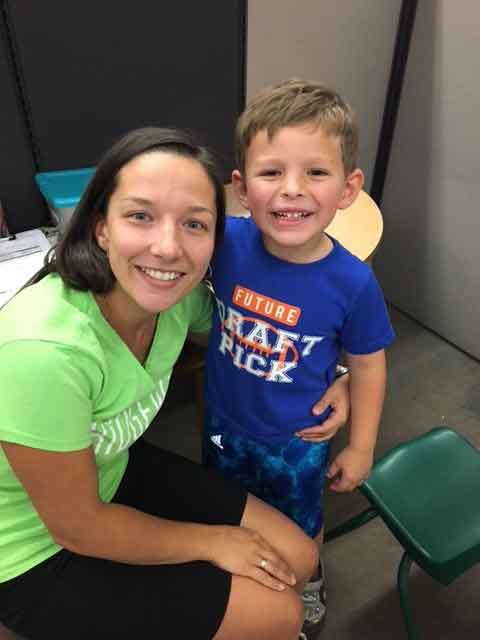
In June 2015, Blake came to Bridgeway Academy with his mother and little brother to begin Speech-Language Therapy at our Therapy Center.  The family had driven over an hour to come to therapy.  From the very beginning, Blake was interactive and socially-driven.  He was using some signs and could make a ‘b’ or ‘m’ sound. His gestures, vocalizations and joint attention communicated meaning about his environment, and although he had a minimal expressive verbal vocabulary, he was commenting, asking questions and able to request assistance.

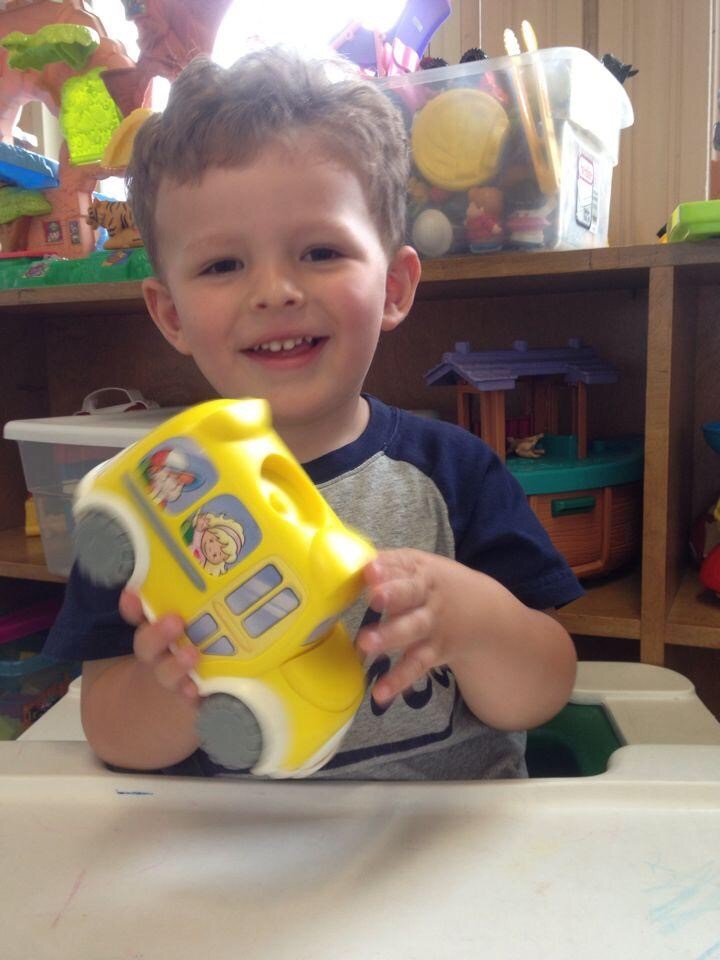
In time, Blake was soon running for hugs in the waiting room, had learned our routine (we always get a truck or a bus before heading to my therapy room), and loved “practicing” sentences.  However, his speech progress was initially slow.  Over the first six months, Blake had not made significant progress with verbal sound production.

That began to change in January of 2016, when he said the word “out” in therapy while playing with a puzzle.  The production was labored and disconnected between the vowels and the consonant, but he did it!  We celebrated and I reinforced what “out” meant for our activity: “take out the pieces.”  Within weeks, he was saying “out” to request leaving the treatment room, to go outside, and to again take out the puzzle pieces.

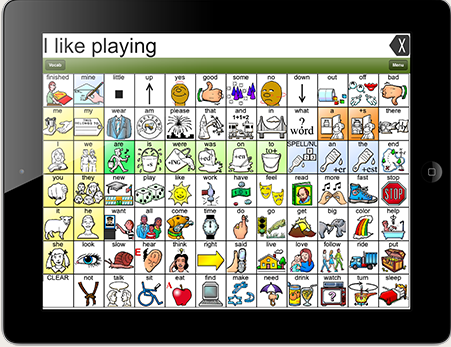
Even with the acquisition of “out”, Blake still couldn’t verbally say many of his favorite things, which were often transportation-related including “garage” and “helicopter.”  As part of his therapy, we trialed the LAMP (Language Acquisition through Motor Planning) Words for Life application on a speech department iPad many times during his first 8 months with us.  Our focus was verbal speech production, as Blake knew so many words that he couldn’t produce verbally.  During these trials with LAMP, Blake showed great promise.  He understood cause and effect and understood that what he said on LAMP was relevant and meaningful.  In April of 2016, I recommended that the family purchase the LAMP Words for Life application to use at home on an existing family iPad.  Blake’s mother, Brooke, was agreeable to this plan, and we had many conversations about continuing to work on verbal speech, because the access to immediate functional communication was important for Blake to feel successful, and for him to want to continue to work hard.

For about 3 months, Blake consistently brought his iPad with LAMP to therapy.  He was using it at home and his mother and I were discussing how to get his school on-board and educated about LAMP for the fall, when he would be going back to pre-school.  He was combining words on LAMP or sequentially with verbal speech, by saying one word verbally followed by one word on LAMP. His word combinations were fluid, novel and meaningful.

Up to this point, “out” had been our first big verbal speech success, but remained one of the only.  LAMP was proving to be a good option for Blake, providing him a way to communicate through the device – but then something special happened.

Something clicked for Blake and his world changed.  His language exploded. I think it was the perfect storm for his stage of development: motivation, parental involvement (including Grandma Sharon who drove over an hour every week!), his relationship with me, and a holistic treatment approach that targeted words that Blake could use across environments and for a variety of functions.

It has now been over two years since we began working with Blake.  He’s now using lengthy sentences, up to 7-8 words, and has developed many age-appropriate sounds., and is attending kindergarten this year! Blake has made so much progress in our program and I’m confident that he will continue to excel.

Written by alex · Categorized: Uncategorized

  • « Go to Previous Page
  • Page 1
  • Page 2
  • Page 3
  • Page 4
  • Page 5
  • Page 6
  • Interim pages omitted …
  • Page 10
  • Go to Next Page »

Bridgeway Academy
1350 Alum Creek Drive
Columbus, OH 43209
614.262.7520

Privacy Policy

Equal Opportunity Employer City of Columbus Franklin County Board of Commissioners

Donate Now
Facebook Link Instagram Link Twitter Link Youtube Link LinkedIn Link
The Yass Prize