• Skip to main content
Bridgeway

Academy and Therapy Center

  • Who We Are
    • Organizational Leadership
    • Bridgeway Value Awards
    • Testimonials
    • Community Partnerships
    • FAQs
    • Contact Us
    • News
  • Events
    • Bridgeway Golf Scramble
    • AmazeAbility: 20 Years of Possibility!
  • Make a Difference
    • Scholarship Granting Organization
    • Donate to Bridgeway
    • Planned Giving
    • Amazon Wishlists
    • Champions, Heroes and Superheroes
    • Bridge Builder Awards
    • Volunteer Opportunities
  • For Parents
    • Prospective Parents
    • Attendance Form
    • Wait List
    • Enrollment Application
    • Autism Scholarship & Other Funding Opportunities
    • Current Parents/PTA
    • Resources
    • Calendar
  • Blog
  • We’re Hiring
  • Bridgeway Academy
    • Preschool Program
    • Peer Model Program
    • Elementary
    • Academic Program
    • Applied Program
    • Life and Vocational Skills
    • B.R.I.D.G.E. To Adulthood
    • Summer Program
    • Before/After Care
  • Bridgeway Therapy Center
    • AAC Evaluation Center
    • Family Partnership & Crisis Stabilization
    • Clinical ABA
    • Music Therapy
    • Occupational Therapy
    • Physical Therapy
    • Mental Health & Psychology
    • Speech Therapy
  • Donate

alex

Sep 08 2019

On “Leaving a Legacy”

All about Planned Giving.

If you know Bridgeway Academy, you know that the work we do can be life-changing for our students and clients, and their families.

15 years ago, we opened our doors and our hearts to 12 preschoolers with autism and developmental disabilities. Today, we serve 196 children in preschool through 12th grade, plus over 150 therapy-only clients. Through careful planning, we’ve been able to achieve this growth – but – we know that there’s more life-changing work still to be done.

As part of our 15-year anniversary, we’re launching a Planned Giving Program.

When philanthropic giving to Bridgeway Academy increases, we’re able to offer more programs, more scholarships, serve more families, and ensure the organization’s growth well into the future.

What is planned giving?

Planned giving is the process of making a charitable gift during a donor’s life or death as part of his or her financial or estate plan. All planned gifts, whether from a Will or Trust, Stocks & Bonds, or a Charitable Gift Annuity, allow you to leave a lasting legacy, making Bridgeway Academy’s vision of a world of opportunity for every child and a community of support for every family a reality.

There are many ways to make a planned gift. Some popular ways include:

  1. Gifts in a Will (Bequests)
  2. Beneficiary Designations (involving all or part of life insurance, IRA, etc.)
  3. Using a donor-advised fund to make a charitable bequest

Why should I consider a planned gift to Bridgeway Academy?

Bridgeway Academy’s 15-year history of growth and best-practice program offerings can give donors confidence in knowing that their resources will be managed properly. Donors can trust that their gift will directly benefit the programs that Bridgeway Academy provides to children with autism and developmental disabilities.

Is planned giving right for me?

If you believe in the work of Bridgeway Academy, there are so many ways that you can leave a legacy for the future of our children. A planned gift of any amount ensures our children’s future. In all cases, you are encouraged to seek the advice of an estate-planning attorney, financial planner, accountant or tax adviser.

We’re introducing a new giving society donors who leave a legacy gift to Bridgeway Academy – For Every Child.

As a member of For Every Child, you belong to a select group of like-minded people committed to the future of Bridgeway Academy and the children and families that benefit from its programs.

Other benefits include:

  • Recognition in Bridgeway Academy’s annual report, website and lobby.
  • Ticket/table discount at Raise Your Glass to Raise Awareness, Bridgeway
  • Academy’s annual fundraising event.
  • Invitations to other exclusive events at Bridgeway Academy

To be eligible for membership in For Every Child, please inform us in writing that you have included Bridgeway Academy in your estate planning. Deferred gifts should be designated to Bridgeway Academy and can be directed to any fund or program.

To learn more, please contact Bridgeway Academy’s Advancement Office:
Carol Argiro, Director of Advancement
614-262-7520 | cargiro@bridgewayohio.org

More Resources:
“What are bequests? Charitable bequests from your will combine philanthropy and tax benefits.”
“10 Things You Might Not Know About Planned Giving.”


Written by alex · Categorized: Uncategorized

Jun 13 2019

Camp Bridgeway 2019!

By: Janelle Maur

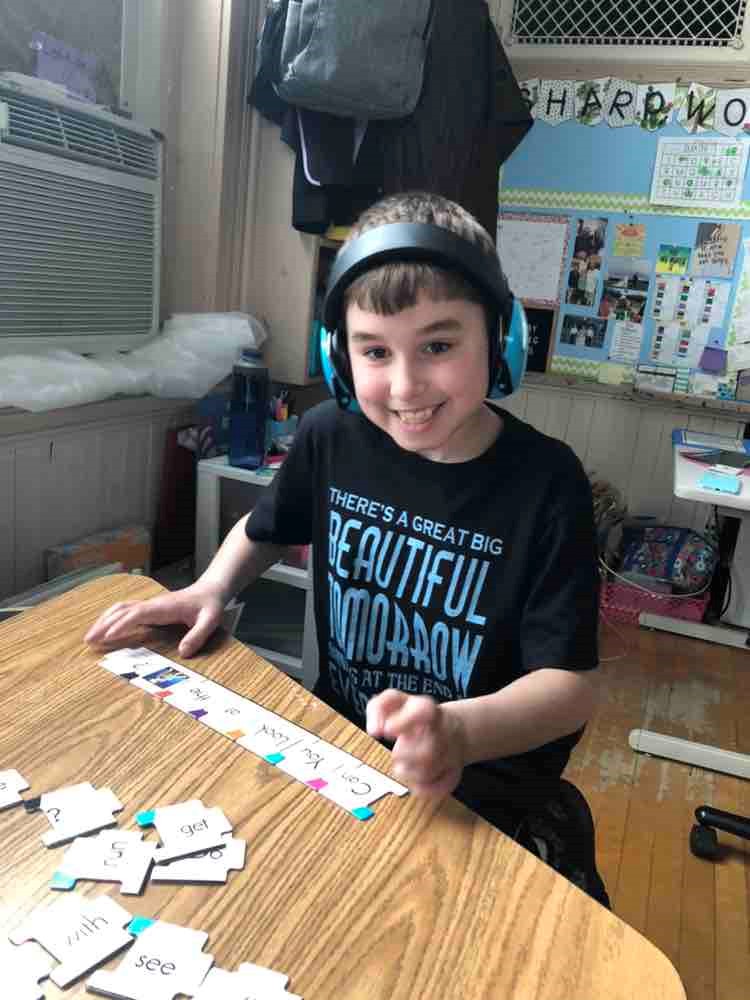
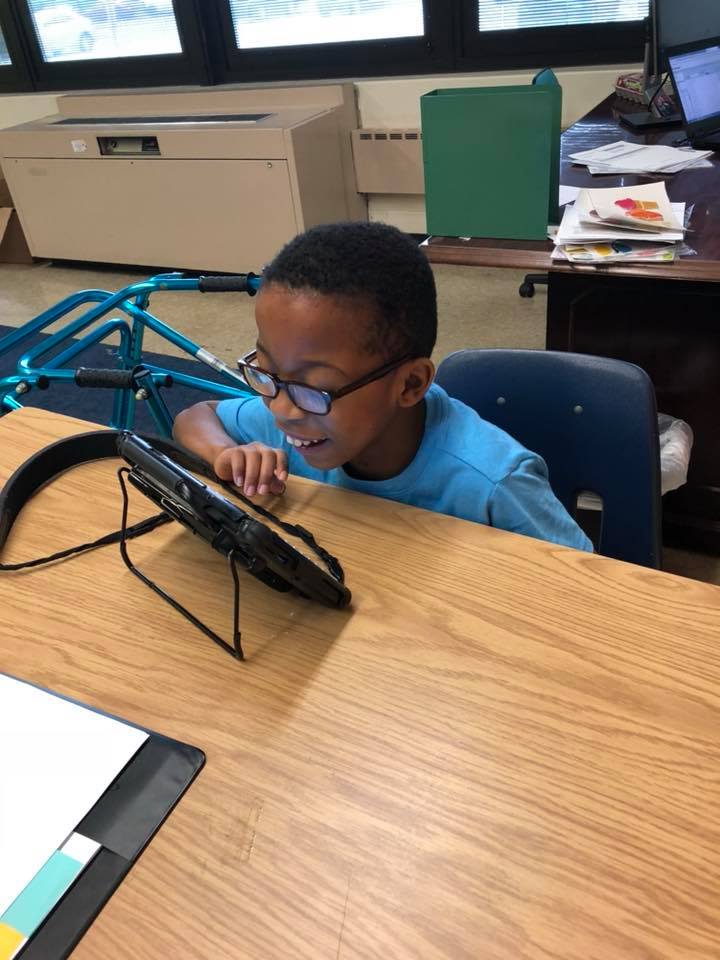
Bridgeway Academy’s summer camp is an important part of our programming throughout the year. It’s awesome when kids can have a place where they can learn (and play!) all year long!

Although our kids are still working on academic skills, we really like amp up the element of FUN in the summer!

During the summer, we host special guests often so kids can learn about different things – like the arts, animals, and model airplanes!

At the Secondary building, campers take frequent field trips in the community. They head to museums, the pool, work on life skills like grocery shopping

We want every child who would benefit from attending summer camp to have the opportunity to do so. That said, some families struggle with the financial component of sending their child to summer camp.

Lastly, we welcome back some older peer models for summer camp. We think it’s pretty amazing to have learners of all ages and abilities experiencing summer camp together.

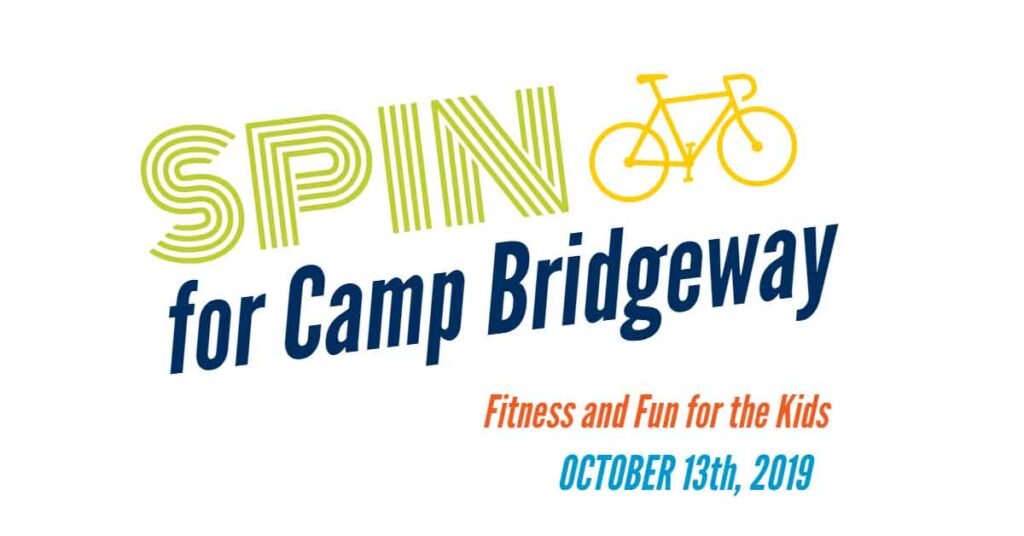
Every year, Abby and Erin host SPIN for Camp Bridgeway which helps raise funds exclusively for summer camp scholarships! We hope you’ll join us October 13th to support amazing summer experiences for our students!

Written by alex · Categorized: Uncategorized

May 17 2019

Better Speech and Hearing Month

By: Bridgeway Academy’s Speech Department

May is Better Speech and Hearing Month. Here are some facts and tidbits from the speech therapy department to help celebrate and learn about speech, language, and hearing!

Fact #1: Did you know the title speech-language pathologist does not encompass all that SLPs do? SLPs work to prevent, assess, and treat articulation, language, social communication, cognitive communication, voice, and swallowing disorders in children and adults.

Fact #2: If you’re going to support your favorite sports team – protect your hearing! At a recent Columbus Blue Jackets playoff game, the crowd noise was measured at 118 decibels. Sounds over 85 decibels can damage your hearing, and listening to 118 decibels can cause hearing damage in less than a minute. What can you do? Bring earplugs, or wear noise-blocking headphone! You can still enjoy the game, and enjoy your hearing, too.
Learn More: https://www.asha.org/public/hearing/loud-noise-dangers/

Fact #3: Did you know teaching is the occupation at the highest risk of developing voice disorders? The speech department encourages everyone, especially teachers, to use these vocal hygiene tips:
1. Hydrate, hydrate, HYDRATE!! Try to choose water as much as possible over other drink options.
2. Reduce high intensity use (prolonged talking, yelling, screaming). Use a microphone as needed in your classrooms to avoid yelling over noise!
3. Avoid smoke inhalation.
4. Avoid throat clearing and chronic coughing.
5. Take voice breaks as needed!

Fact #4: Approximately 12% of the U.S. population – 38 million Americans – have a significant hearing loss. Don’t make assumptions about what language modality a person who is Deaf or Hard of Hearing may speak! There are many different kinds of people who consider themselves part of the Deaf Community. Some of them only use Sign Language, some of them only use Spoken Language, and some of them are Bilingual or use a combination of the two. If you see somebody with a hearing or cochlear implant, do not assume that they understand your spoken language or that they themselves use spoken language.

Fact #5: If a bilingual child has a speech or language problem, it will show up in both languages. However, these problems are not caused by learning two languages! (Source: ASHA)

Fact #6: 8 in 10 parents of children who are being or have been treated for speech, language, or hearing disorder say that their child showed “a great deal” or “a good amount” of improvement (Source: ASHA)

Fact #7: SLPs also target swallowing and feeding disorders. This can include helping individuals recover from a stroke or prolong independent eating in individuals with progressive diseases. This can also include helping children improve the variety of foods they eat.

Written by alex · Categorized: Uncategorized

Feb 22 2019

Caregiver Burnout

By: Bridgeway Academy’s Psychology Team (Lindsay Fletcher, Ph.D., NCSP, Psychologist, Julie Henzel, PsyD, Psychologist, and Nicole Benson, Ph.D., NCSP, Postdoctoral Psychology Fellow)

Being a caregiver is a meaningful and rewarding role, but it’s important for caregivers to pay attention to their own health and well being, too. Caring for a child with autism can be physically exhausting and emotionally draining in addition to the significant amount of stress parenting responsibilities create on their own. On top of that, trying to balance your time and energy with the needs of your other children, the demands of your job, the needs of your marriage, and/or your own personal needs are by no means easy tasks. Not surprisingly, it takes time, effort, and energy to find and maintain a good balance of it all. But as many of us know, this can be difficult to achieve.

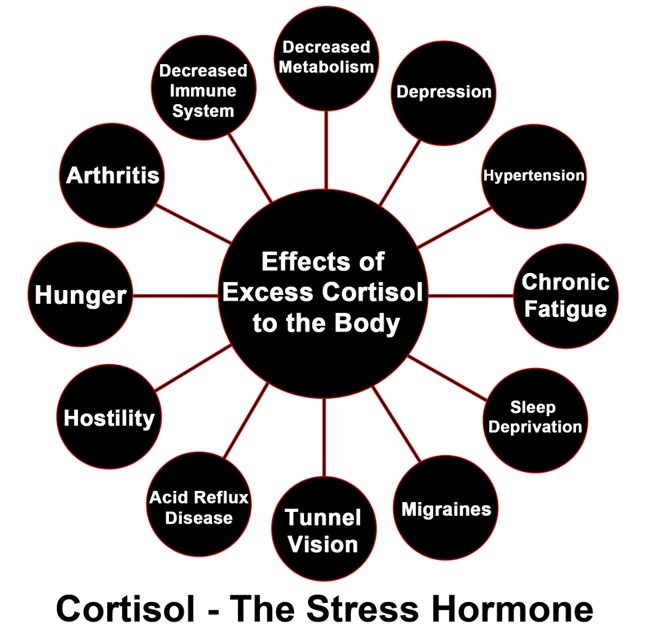
So what’s actually going on inside of us when life kicks it into high gear and we find ourselves experiencing high amounts of stress? When our bodies experience stress, our brains produce cortisol, which is known as the “stress hormone.” A just right amount of cortisol can help us engage our “fight or flight” mode, which prepares one to take on challenges. However, chronic stress and persistent flooding of this hormone into our systems can have negative effects on our overall well-being, including physical (e.g., fatigue) and cognitive (e.g., inattentiveness) symptoms.

While one would think that people who frequently experience spikes in cortisol levels would produce high levels of this hormone when tested, it turns out that the opposite is often (but not always) true. Gunnar and Vazquez (2001) found that chronic stress can actually be associated with lower levels of cortisol in some people. In lay terms, this means that individuals can become desensitized to stress just as a combat soldier might. This pattern has also been well researched in individuals with post-traumatic stress disorder (PTSD), Holocaust survivors, and parents of children with cancer.

Individuals can become desensitized to stress just as a combat soldier might. 

If you are a parent of, or a caregiver for, an individual with a disability, it may come as little surprise to you that Seltzer et. al (2010) found these exact same desensitization-to-stress patterns when their research participants were mothers of adolescents/adults with ASD. While there are arguably some benefits to maintaining lower levels of the stress hormone (e.g., not going into panic mode when your child screams in the middle of Target), there are also some undesirable consequences, such as being easily irritated and getting too much or too little sleep. When experiencing high levels of the stress hormone in one’s body, a whole host of physical and emotional symptoms are possible, including but not limited to:

In cases where this applies, desensitization to stress is one reason why caregiver burnout usually is not recognized by the caregivers themselves. Therefore, it is paramount to look out for the signs of caregiver stress/burnout and seek help if needed (see below). D

Desensitization to stress is one reason why caregiver burnout usually is not recognized by the caregivers themselves.

SIGNS OF CAREGIVER STRESS/BURNOUT:

  1. Feeling tired often
  2. Irritability
  3. Feeling numb or developing an uncaring, negative attitude
  4. Feeling overwhelmed or constantly worried
  5. Social withdrawal
  6. Loss of interest in favorite activities
  7. Frequent illness, headaches, chronic pain, or other physical symptoms
  8. Difficulty concentrating
  9. Changes in sleep patterns
  10. Changes in appetite and/or weight
  11. Feelings of hopelessness and/or helplessness
  12. Reliving upsetting memories
  13. Inappropriate use of alcohol and/or medication

Remember, if you don’t take care of yourself, you won’t be able to care for anyone else.

The emotional and physical demands involved with caregiving can strain even the most resilient person. That’s why it is so important to take advantage of the many resources and tools available to help you provide care for your loved one. Remember, if you don’t take care of yourself, you won’t be able to care for anyone else.

TO HELP MANAGE STRESS/BURNOUT:
1. Accept that there are limits to what you can do. It’s a huge step forward when one is able to challenge the idea that he/she is the only one who can help his/her loved one, and that there is no limit to what you can do. Something has to give for Supermoms/dads who try to do it all, and that “something” usually ends up being self-care. When one doesn’t get enough sleep, stay hydrated (with water in addition to your Starbucks), get exercise, and have some alone time to recharge their battery, it’s only a matter of time before caregiver burnout takes hold.

2. Ask for and accept help. Be prepared with a list of ways that others can help you, and let the helper choose what he or she would like to do. For instance, a friend or family member may offer to watch your child so you can complete the grocery shopping or run errands alone, or they may be open to picking up your groceries or cooking for you.

  • Did you know? Many grocery stores offer customers the ability to order their groceries online/through an app and allow you to schedule when is most convenient for you to pick them up! A few of these programs include Giant Eagle’s “Curbside Express”, Kroger’s “Clicklist”, and Wal-Mart’s “Grocery Pickup”.  The first few pick ups are usually free, then a small fee applies after that.
    • Even better, services such as the app “Instacart” or Amazon Prime Now allow you to place your grocery order online and then they deliver it to your doorstep at the time of your choice if you’re not even able to leave the house. Minimum orders of $10 may be required; a small fee applies and then a driver tip is optional.

3. Work smarter, not harder. Your to-do list may seem overwhelming and impossible to complete at first glance, but it might seem a lot more manageable once you prioritize the items on your list in terms of what needs to be done by a certain date (within the next week, 1 month, 3-6 months, 1 year, etc.). Once you have a shorter list of more immediately tasks, consider breaking each one down into smaller steps that you can do one at a time. 

4. Give yourself some credit. No one is “perfect,” and when we’re stressed out, our brains tend to over-focus on our problems or perceived “failures” in addition to overlooking the things are going well for us.  At the end of the day, write down or speak aloud all of the things that have gone well.  This part is key: also give yourself credit for the challenging situations that you handled, even if things didn’t turn out “perfectly.” A little self-love can go a long way.

5. Go to the doctor. Get a complete physical to rule out illnesses that may contribute to burnout. For example, your chronic headaches may actually be a result of needing a new glasses prescription instead of solely resulting from stress/burnout. Understanding your body is a key tool to helping you be on top of your game.

6. Connect with others. When you have a child whose needs are challenging, feeling cut off from support and empathy can contribute to your stress. Make an effort to stay well-connected with family and friends who are able to offer nonjudgmental emotional support. Set aside time each week for connecting, whether it’s taking a walk with a friend or joining a support group.

7. Set personal boundaries. Setting boundaries with your time (a.k.a., saying “no” every once in a while) can be incredibly beneficial. For example, hosting the large holiday family dinner a couple times a year or being the carpool driver (Every. Single. Week.) just because no one else volunteered to do so can be rewarding yet extremely draining. Learning to set boundaries and occasionally saying “no” when others are fully capable of stepping up to say “yes” can help you free up time in your life so you can practice self-care. 

8. Watch out for parental guilt: It’s easy to fall into the “should” trap as a parent, which can increase guilt and fuel unrealistic expectations. For example, you may have thoughts such as I “should be doing more for my child,” or “if only I were more organized, I could accomplish XYZ.”  There is also a tendency to beat yourself up for not integrating self-care practices or perceiving that you are failing at achieving work-life balance. Work on catching these unrealistic and unhelpful thoughts and realize that life naturally ebbs and flows. You are probably doing better than you think! When integrating self-care practices, start small. For example, setting a goal to work out 3 times per week may sound good, but if it’s unrealistic for your life, then it can actually increase stress, so consider setting the goal at 1-2 times per week. Alternatively, little things, such as drinking more water, setting out your clothes each night for the following day, packing all lunches the night before, and making it a point to get up, stretch, and walk down the hallway at work every hour can go a long way.

Photo Credit: https://legacyplacessociety.com

References:

If you’d like to consult with a Bridgeway Academy psychologist about more caregiver stress/burnout topics or self-care strategies, please contact us at psych@bridgewayohio.org.  Also, please consider checking with your insurance provider to see if counseling sessions could be covered so you can talk freely with a trained professional.

Garey, J. Why self-care is essential to parenting: Caring for children with intense needs can take an emotional (and physical) toll on parents.  Retrieved from: https://childmind.org/article/fighting-caregiver-burnout-special-needs-kids/

Gunnar, M. T., & Vazquez, D. M. (2001). Low cortisol and a flattening of the expected daytime rhythm: Potential indices of risk in human development. Development and Psychopathology, 13, 515–538.

Mayo Clinic Staff. (2018). Caregiver stress: Tips for taking care of yourself.  Retrieved from: https://www.mayoclinic.org/healthy-lifestyle/stress-management/in-depth/caregiver-stress/art-20044784

Seltzer, M.M., Greenberg, J.S., Hong, J., Smith, L.E., Almeida, D.M., Coe, C., and Stawski, R.S. (2010). Maternal cortisol levels and behavior problems in adolescents and adults with ASD. Journal of Autism and Developmental Disorders. 40(4), 457-469.

Taking care of yourself: A parent’s guide to autism.  (August, 2018).  Retrieved from: https://www.autismspeaks.org/tool-kit-excerpt/taking-care-yourself

Wang, K. (2012). 8 Essential tips for preventing caregiver burnout. Retrieved from: https://www.friendshipcircle.org/blog/2012/10/04/8-essential-tips-for-preventing-caregiver-burnout/    

Written by alex · Categorized: Uncategorized

Sep 19 2018

The Many Faces of Stress

By: Bridgeway Academy’s Psychology Team (Lindsay Fletcher, Ph.D., NCSP, Psychologist, Julie Henzel, PsyD, Psychologist, and Nicole Benson, Ph.D., NCSP, Postdoctoral Psychology Fellow)

Did you know that happy and positive life events can increase our stress levels just as much as unhappy and negative ones? Think about a time you felt stressed planning holiday celebrations, cleaning the house before a party, or packing for a vacation. Seemingly positive events can be both stressful and exciting. The same is true for kids of all ages.

Stress is simply our body’s response to demanding changes, and there are actually two types of stress: one for positive stress (i.e., eustress) and one for negative stress (i.e., distress).Being able to tell the difference between the two types of stress not only helps us identify what we are feeling about a situation, but it also helps us to respond correctly to the stressor. For example, althoughpositive stress can be beneficial, it is important to note that it also depletes the body’s reserves just as much as negative stress does. Therefore, it is important to 1) understand the many faces of stress and 2) learn strategies to managestress for you and your child(ren)!

Although there are many different examples of stress, here are 6 common characteristics:

  1. Stress is something that has a real effect on minds and
    • Mind Examples: anxiety, restlessness, distractibility, irritability
    • Body Examples: headaches, upset stomach, sleep problems, muscle tension
  2. Stress can happen from any change—whether good or bad.
    • “Good” change examples: starting a new job, new house, new baby, preparing for the holidays, hosting house guests, new school year/teacher/classroom/classmates
    • Not-so-“good” change examples: loss of a job or housing, difficulty learning a new skill, getting along with siblings, illness/injury
  3. Stress can happen from both real (e.g., got in a fender bender on the way to work) and imagined events (e.g., wondering what ifsomeone rear ends me on the way to work).
  4. Some stress is good. This is what can push students to study hard for a test or adults to put their best foot forward on work-related tasks.
  5. Too much stress can be bad. No matter your age, when you are over-stressed, your body’s ability to cope with the stressor becomes depleted at a much faster rate which can inhibit your ability to successfully resolve the stressful situation.
    • Example: think of a time when a tiny stressor completely threw you through a loop, but on any other day you could have handled that situation in stride.
  6. You CAN learn to manage your stress.
    • Keep on reading…

Strategies FOR KIDS:

Here are just a few great ways to help your child(ren) cope with stress and/or maintain low levels of stress overall:

  • Get good sleep. It’s harder for people of all ages to deal with stress when tired, so ensuring your child gets the recommended number of hours each night is a great place to start (parents: don’t forget to apply this tip to yourself!).
    • Tip: Try to disconnect/unplug 1-hour before bedtime to get your child’s brain ready to sleep. Turn devices to “night shift” mode after school in order to reduce the sleep disrupting blue light that tricks the brain into being alert.
  • Get moving. Small bursts of aerobic exercise can help calm the stress-induced fight-or-flight response (i.e., our body’s reaction to a perceived stressful/harmful situation that includes possible increased heart rate, sweating, fast/shallow breathing, and constant surveillance of surroundings).
    • Ideas: Jump on a trampoline, have a dance party, play tag, go for a walk outside after dinner
  • Deep breathing. Slow, deep breaths naturally calm the nervous system.
    • Ideas: Trace a figure 8 while breathing in slowly on one side and breathing out slowly on the other side, blow in order to make a pinwheel spin, or consider using an app such as Breathing Bubbles or Breathe2Relax.
  • Listen to music. When stress strikes, turn up the music! Research consistently demonstrates a positive change in one’s mood when listening to music. The key is finding the type of music that feels calming to you.
    • Ideas: Put on a favorite song to trigger happy memories, or uplifting/faster paced music to get a dance party started!
  • Give hugs. Studies have shown that a 20 second hug releases oxytocin (a hormone that plays a role in social bonding), lowers blood pressure, and decreases stress- helping your child calm down. It can also make them feel safe and supported. Not to mention, it’s a good excuse to squeeze in an extra hug or two from your reluctant tween!
  • Get focused. Getting busy on activities unrelated to the source of stress is a helpful tool for people of all ages. So, whether crossword puzzles, Sudoku, or coloring is your child’s thing…encourage them to get busy!
  • Listen to them. Like, really listen. While it’s helpful to reassure kids “You’re fine, it’ll be alright,” it’s equally powerful to truly listen to their worries/concerns and empathize with them. The next time the opportunity presents itself, try responding with something like, “Wow, I can see why that was so stressful for you,” before taking on the cheerleader role.

Strategies FOR ADULTS:

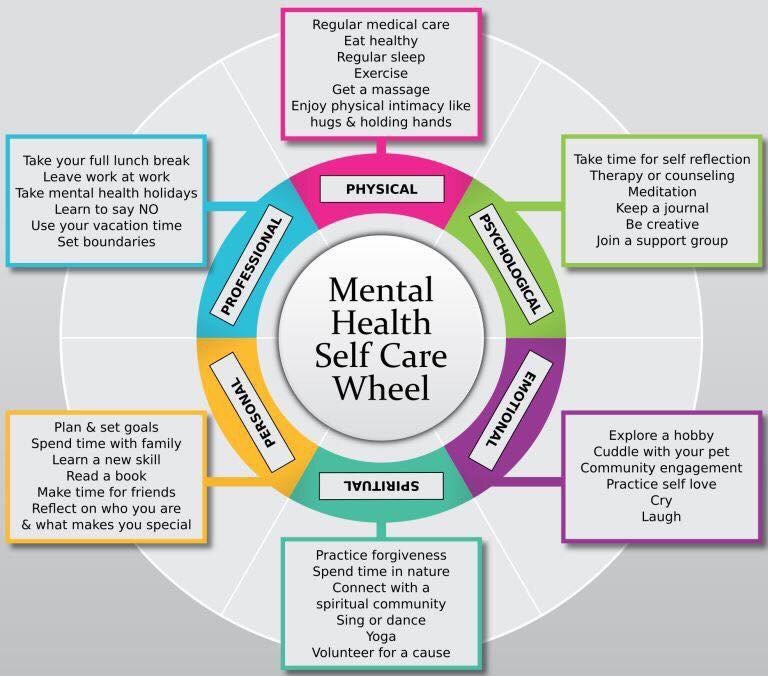
It’s important for parents/caregivers to take care of themselves, too! This will help you stay primed and ready to deal with stressful situations as they arise, including challenging behaviors or sudden changes in schedule/plans. Consider building in a few of the following suggestions:

  • Make time for silence. Set your alarm to wake up before the rest of your family so you can sit and have your breakfast/coffee in silence.
  • Stay hydrated. If you’re feeling particularly anxious about getting through your to-do list, opt for water instead of another coffee/latte. Too much caffeine can leave you feeling nervous or moody, and it can disrupt your sleep.
    • Did you know? Caffeine is a stimulant that can actually increase one’s anxiety.
  • Build in healthy meals and snacks. Although fall is a great time to cozy up with warm cider, hot chocolate, and pumpkin everything, too much rich food can take a toll on your body, energy level, and ability to concentrate. Try to add in salad, fruits, veggies, and water if you’ve been inundated with cookies and other rich foods lately.
  • Stretch. Set aside a few minutes at some point in the day to stretch your body from head to toe.

  • Exercise. It may be the last thing you feel like you have time for, but research has found that workouts can boost your mood for up to 12 hours. Moreover, regular exercise tends to decrease the amount of cortisol (a.k.a., the stress hormone) in your bloodstream, leading to a reduction in symptoms of stress. So, fitting in 30 minutes of exercise several times a week can have a large impact on your overall stress level!
    • Free Ideas: Walk around your neighborhood, take a family hike through a Metro Park, make household chores aerobic (e.g., fast paced vacuuming and cleaning, and if possible, be sure to clean on different levels of your house every few minutes so you hit the stairs frequently!)
  • Zone out to music. Make a playlist on your phone, computer, etc. with music you find relaxing. The type/genre will be different for everyone, so whether it’s Mozart or Beyoncé, make a playlist that works for you!
Did you know? Research from the University of Maryland shows that hearing music you love can relax blood vessels and increase blood flow.  his not only calms you down but is good for your heart, too!

  • Consider disconnecting from the electronic world for a little while each day.Taking a break from calls, texts, emails, Facebook updates, etc. can be a welcome brain break and may even free up the 10-15 minutes you need to stretch or listen to your calming playlist with your eyes shut.
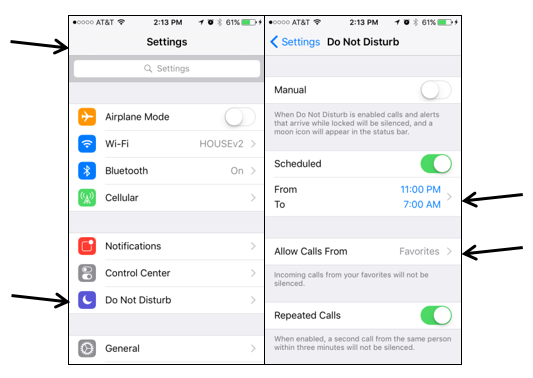
  • Be intentionally unavailable. Most phones offer a “Do Not Disturb” setting where you can program exactly how long you want to be “unavailable”. This setting allows calls/messages from favorite contacts to still come through to give you peace of mind that you can still be reached in case of emergency.
  • Keep a to-do list.It’s easy to become overwhelmed when juggling 20 tasks in your thoughts. Take this time management stress off your mind and put it on paper (or your phone). Rewrite/type your list as often as needed to reflect what’s been accomplished and what needs to be prioritized next. Be sure to check off what you’ve completed, as this will help keep you motivated.
    • Free App/Website Ideas:iPhone Notes/Reminders apps, Asana, Alexa, Trello
  • Get a massage. Some spas offer express massages that last for 30 minutes or less (always check Groupon!)
  • Say “no.”If you’re feeling overwhelmed by your daily agenda, don’t over-schedule your time and take on more than you can manage. Remember, it’s OK to slow down a bit!
  • Accept help.If relatives, friends, or neighbors offer to help you with something, consider accepting their help. They wouldn’t offer if they didn’t truly mean it!

References:

Lynch, Christopher. (2012). Totally Chill: My complete guide to staying cool: Stress management workbook for kids with social, emotional, or sensory sensitivities.  AAPC Publishing.

13 Stress Relief Tips for Kids:  https://www.activekids.com/parenting-and-family/articles/13-stress-relief-tips-for-kids

21 Stress-Reducing Techniques: https://www.livestrong.com/slideshow/1011067-15-stressreducing-techniques/#slide=2

Positive Stress, Negative Stress: https://aderoeducation.wordpress.com/2012/05/30/positive-stress-negative-stress/

Stress symptoms: Effects on your body and behavior:https://www.mayoclinic.org/healthy-lifestyle/stress-management/in-depth/stress-symptoms/art-20050987

Written by alex · Categorized: Uncategorized

  • « Go to Previous Page
  • Page 1
  • Page 2
  • Page 3
  • Page 4
  • Page 5
  • Interim pages omitted …
  • Page 10
  • Go to Next Page »

Bridgeway Academy
1350 Alum Creek Drive
Columbus, OH 43209
614.262.7520

Privacy Policy

Equal Opportunity Employer City of Columbus Franklin County Board of Commissioners

Donate Now
Facebook Link Instagram Link Twitter Link Youtube Link LinkedIn Link
The Yass Prize